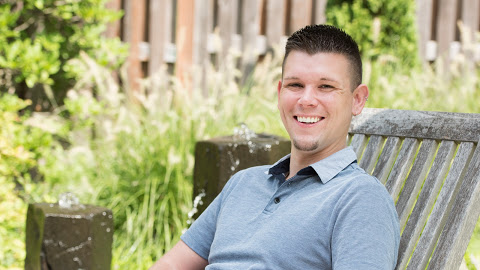




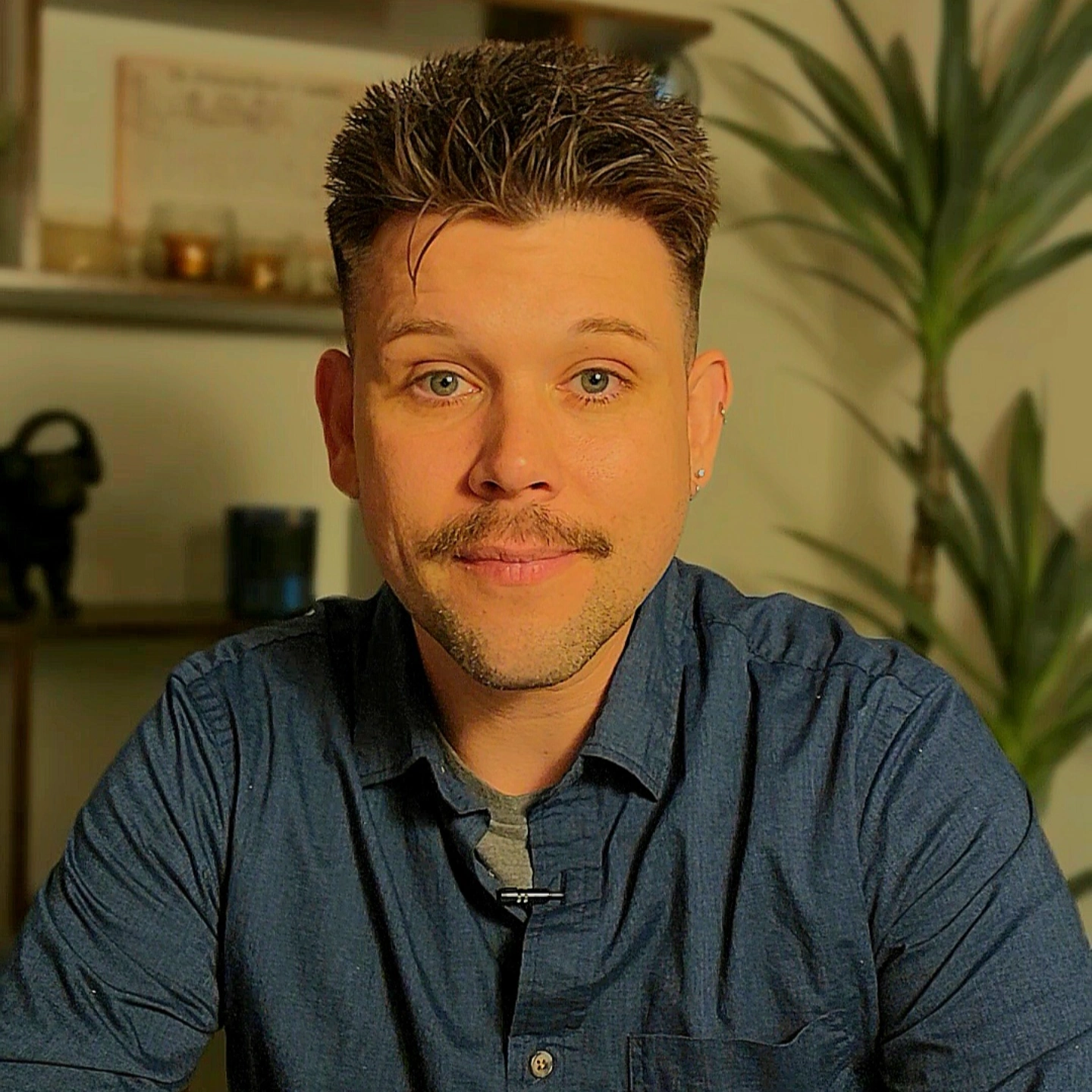
Today we’d like to introduce you to Andrew Darby.
Hi Andrew, so excited to have you on the platform. So before we get into questions about your work-life, maybe you can bring our readers up to speed on your story and how you got to where you are today?
I began my career in clinical social work with a focus on mental health and substance use treatment, drawn to work that helps people heal from trauma, addiction, anxiety, depression, and relational pain.
Over time, I moved into leadership roles, including clinical direction and supervision, where I became increasingly passionate about building systems of care that are both clinically excellent and deeply human.
That eventually led me to found Darby Integrative Counseling, a boutique psychotherapy practice serving clients across Maryland, DC, Virginia, California, and Florida. My goal has been to create a practice that integrates evidence-based therapy, trauma-informed care, inclusivity, and whole-person healing.
Today, I work as a psychotherapist, clinical supervisor, consultant, and executive director, supporting both clients and clinicians. My path has really been about bringing together clinical depth, leadership, and a belief that therapy should be personalized, ethical, compassionate, and transformative.
We all face challenges, but looking back would you describe it as a relatively smooth road?
Building Darby Integrative Counseling has been one of the most meaningful and challenging parts of my career. I started with a clinical vision, but quickly learned that growing a healthcare business requires much more than being a good therapist. It has meant learning how to create effective policies and procedures, support clinicians, protect client care, manage operations, understand compliance, and build systems that allow both staff and clients to feel held.
One of the biggest learning curves has been navigating insurance. We entered insurance networks with the hope of increasing access and making therapy more affordable, but over time I saw how the insurance model often created administrative burden, limited clinical flexibility, and made it harder to provide the level of individualized care we wanted to offer. Eventually, we made the difficult decision to move out of network so we could provide more personalized, values-driven care while still helping clients use out-of-network benefits when possible.
There have also been major business and marketing challenges: learning how to communicate who we are, how to brand the practice clearly, how to position ourselves in a crowded therapy market, and how to build a company that feels both clinically grounded and accessible. That process has pushed me to grow not only as a clinician, but as a leader, business owner, and advocate for sustainable, ethical mental healthcare.
As you know, we’re big fans of Darby Integrative Counseling . For our readers who might not be as familiar what can you tell them about the brand?
Darby Integrative Counseling is a boutique psychotherapy practice built around the belief that therapy should be clinically excellent, deeply human, and personalized to the individual. We provide therapy for individuals, couples, and families, with a strong focus on trauma, anxiety, depression, relationships, addictions, life transitions, identity development, and personal growth.
We are especially known for trauma-informed and integrative care. Our clinicians draw from evidence-based and depth-oriented approaches such as EMDR, IFS-informed parts work, somatic therapy, CBT, psychodynamic therapy, Gottman-informed couples therapy, mindfulness, harm reduction, and culturally responsive care. We work with people who are not just trying to “manage symptoms,” but who want to understand themselves more deeply, heal patterns, improve relationships, and build a more grounded life.
What sets us apart is that we are not a
one-size-fits-all therapy practice. We focus heavily on thoughtful client-therapist matching, clinical specialization, and creating a warm, inclusive environment where clients can feel both supported and challenged. Our team works with diverse communities, including LGBTQIA+ clients, professionals and leaders, people recovering from trauma or addiction, couples in distress, young adults, creatives, and clients navigating major life changes.
Brand-wise, I am most proud that Darby Integrative Counseling has grown into something that feels both professional and personal. We have worked hard to build a brand that is compassionate, ethical, trauma-informed, inclusive, and clinically grounded — while still feeling approachable and real. We want people to know that therapy with us is not about being pathologized or rushed through a system. It is about being met as a whole person.
Our goal is to offer high-quality psychotherapy that helps clients move beyond survival and toward deeper healing, connection, and self-trust. Whether someone is seeking trauma therapy, couples counseling, support for anxiety or depression, help with addiction recovery, or a space to explore identity and meaning, we want Darby Integrative Counseling to be a place where they feel seen, respected, and supported in doing meaningful therapeutic work.
Networking and finding a mentor can have such a positive impact on one’s life and career. Any advice?
Mentorship and networking have been essential for me, but I’ve learned to think about them more creatively than just finding one formal “mentor.”
What has worked best is building relationships with people in different but complementary roles. Sometimes mentorship comes from close acquaintances who are in a similar stage of business or leadership, where you are helping each other think through challenges in real time. There is real value in having peers who understand the day-to-day pressure of building something and can offer honest feedback, encouragement, and practical perspective.
Other times, mentorship means finding someone with many more years of experience who has already navigated the terrain you are trying to understand. That might be a seasoned clinician, business owner, attorney, CPA, consultant, marketing expert, or someone with a very specific area of expertise. I’ve found that the best mentors are not always lifelong mentors — sometimes they are the right person for a very specific problem or season.
My advice is to stay curious, be generous, and don’t treat networking as transactional. Ask thoughtful questions, follow up, share resources, and look for ways to support others as well. Mentorship is often a creative process: part relationship-building, part problem-solving, and part being willing to learn from many different kinds of people.
Contact Info:
- Website: https://Www.Darby-Integrative-Counseling.com
- Instagram: @darbyintegrativecounseling
- Facebook: https://www.facebook.com/share/1DmBCtGYgL/
- Twitter: DarbyIntegrative