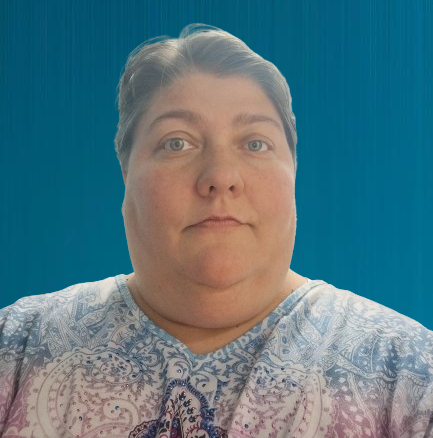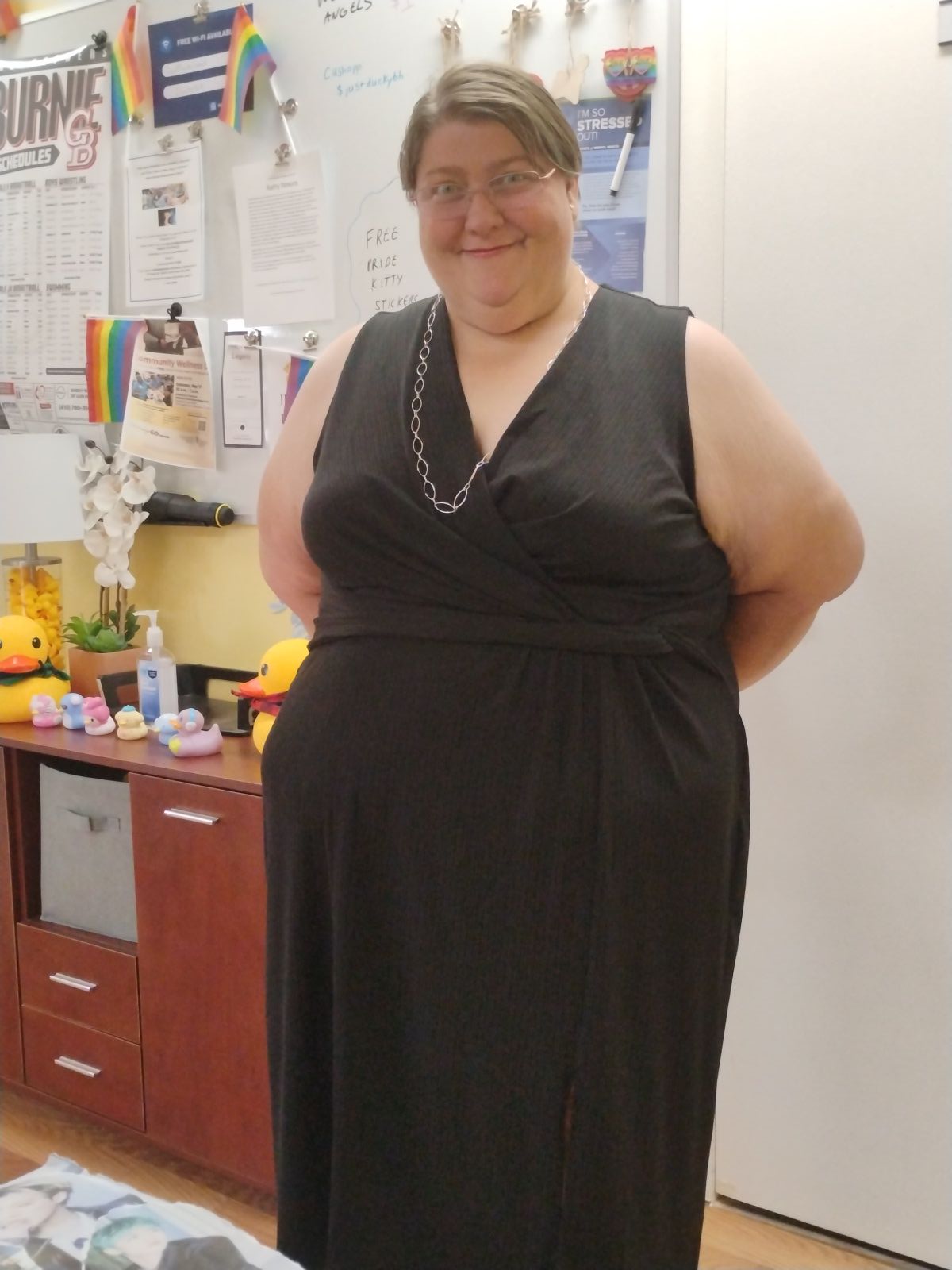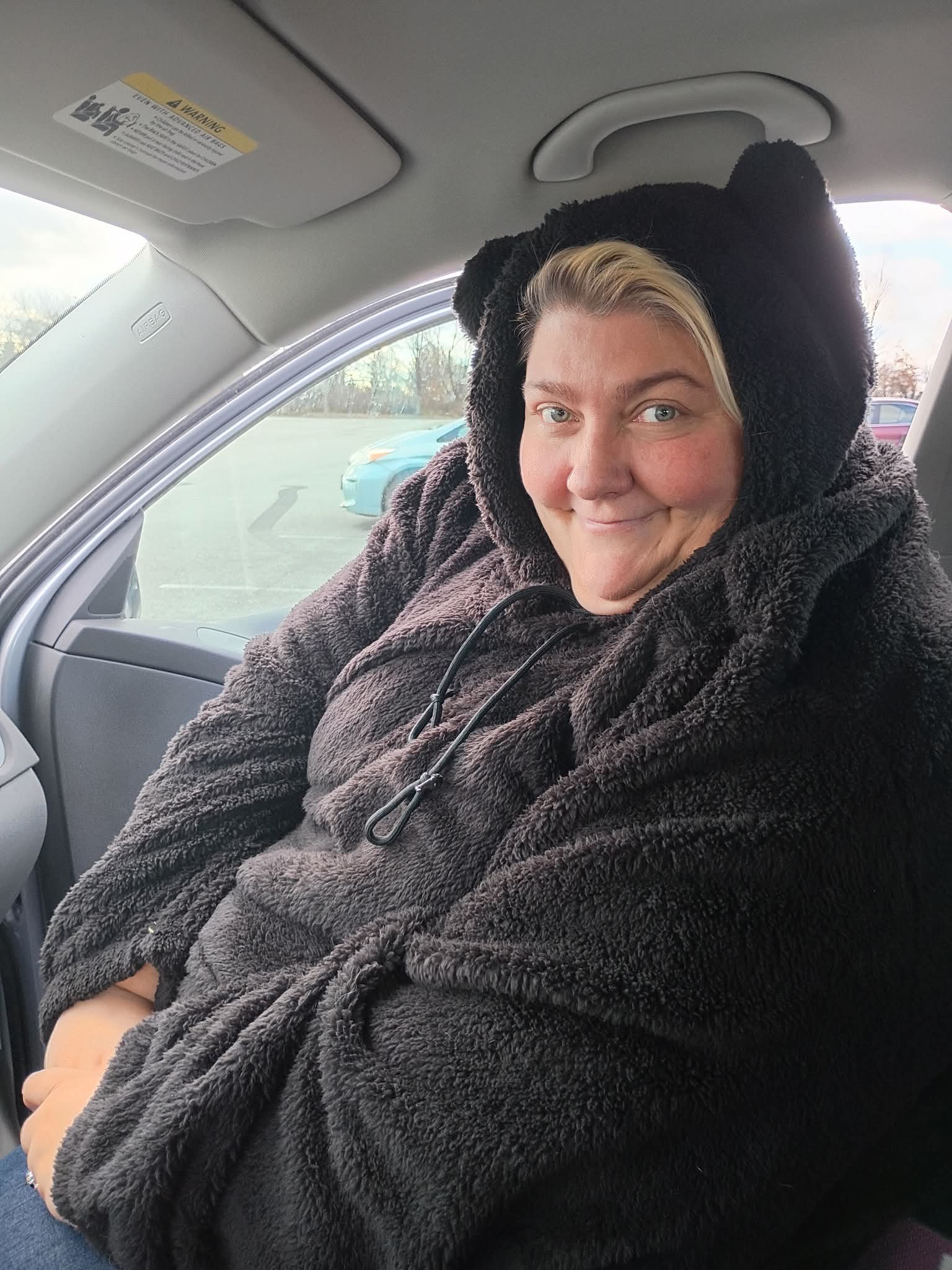





Today we’d like to introduce you to Christina Kirby.
Alright, so thank you so much for sharing your story and insight with our readers. To kick things off, can you tell us a bit about how you got started?
My path into behavioral health has been shaped by both clinical experience and leadership roles across a variety of care settings. I have been working in the mental health field since 2015, gaining experience in crisis services, outpatient mental health treatment, residential and outpatient substance use treatment, psychological rehabilitation programs, and intensive outpatient care. Over time, I developed a strong interest not only in direct clinical work but also in program development, supervision, and improving access to quality care for underserved populations.
Professionally, I am a Licensed Clinical Professional Counselor (LCPC) with a Master’s degree in Clinical Mental Health Counseling. Prior to starting my own practice, I held roles that allowed me to coordinate treatment services, oversee regulatory compliance, and support individuals with complex and dual‑diagnosis needs. These experiences ultimately prepared me to step into leadership, supervision, and systems‑level decision‑making while maintaining an active clinical caseload.
In July 2022, I founded Just Ducky Behavioral Health as a telehealth‑only practice in Maryland, initially operating part‑time and transitioning to full‑time services by October of that year. The vision was to create a practice that felt approachable and collaborative—one that challenged the stigma around mental health care while maintaining high clinical standards. In April 2023, we expanded into a physical office in Linthicum, Maryland, allowing us to further serve the community while continuing telehealth options.
Today, I serve as the Owner and Clinical Director of Just Ducky Behavioral Health. In this role, I oversee clinical operations, supervise clinicians and interns, manage high‑risk clinical situations, develop policies and procedures, ensure regulatory compliance, and continue to provide direct client care. Balancing leadership responsibilities with clinical work is important to me, as it keeps me connected to the realities my clients and providers face every day.
The name “Just Ducky” reflects both my personality and the larger mission of the practice. It stems from a personal story during graduate school when my father jokingly referred to counselors as “quacks.” Over time, his perspective changed, and the name became a symbol of growth, humor, and the importance of breaking down misconceptions about mental health treatment. That philosophy carries into how we practice—therapy doesn’t have to be intimidating or sterile to be effective.
As the practice continues to grow, we have expanded services such as case management and are developing a nonprofit initiative, Webbed Angels, aimed at helping individuals who struggle to afford care, medications, or basic living needs. Along the way, the work has been recognized through multiple state and national awards, which I view as a reflection of both the quality of care we provide and the values that guide the practice.
Overall, my journey has been about building something sustainable, ethical, and human—combining clinical excellence, leadership, humility, and a genuine commitment to the community we serve.
Can you talk to us a bit about the challenges and lessons you’ve learned along the way. Looking back would you say it’s been easy or smooth in retrospect?
It definitely has not been a completely smooth road, and I think that’s true for most practices built from the ground up. Starting Just Ducky Behavioral Health meant wearing many hats simultaneously—clinician, administrator, supervisor, and business owner—often without the luxury of a large support system early on.
One of the earliest challenges was launching the practice during a time when demand for mental health services was extremely high, but systems—such as credentialing, billing, and staffing—move slowly. Beginning as a telehealth‑only provider helped with accessibility, but it also came with logistical and regulatory hurdles that required careful navigation while still maintaining quality care.
Another ongoing challenge has been balancing leadership responsibilities with clinical work. As the owner and clinical director, I remain actively involved in providing therapy while also overseeing supervision, onboarding, compliance, policy development, and crisis management. Maintaining that balance requires intention and constant reassessment, especially when managing high‑risk situations and supporting both clients and staff effectively.
Staffing and growth have also presented challenges. Finding clinicians who align with the culture and values of the practice—while also meeting regulatory and clinical standards—takes time. Expansion has been intentional rather than fast, which sometimes means saying no to growth opportunities in order to protect quality of care and team sustainability.
Finally, working to reduce stigma and improve access to care—particularly for individuals who struggle financially—has been both a challenge and a motivator. It’s what led to expanding case management services and developing the Webbed Angels nonprofit initiative, but it also requires creativity, advocacy, and resource‑building beyond traditional clinical work.
Overall, the challenges have shaped the practice in meaningful ways. Each obstacle reinforced the importance of adaptability, strong systems, ethical leadership, and staying grounded in the mission. While the road hasn’t been easy, it’s been purposeful, and those challenges are a big part of what makes the practice what it is today.
As you know, we’re big fans of you and your work. For our readers who might not be as familiar what can you tell them about what you do?
My work centers on providing high‑quality, compassionate behavioral health care while building systems that make that care accessible and sustainable. I’m a Licensed Clinical Professional Counselor and the Owner and Clinical Director of Just Ducky Behavioral Health. In addition to maintaining an active clinical caseload, I oversee clinical operations, supervise clinicians and interns, manage high‑risk situations, develop policies and procedures, and ensure regulatory compliance. My role allows me to stay grounded in direct client work while also shaping the culture, standards, and direction of the practice.
Clinically, I specialize in working with individuals facing complex and often overlapping concerns. My areas of focus include trauma, anxiety disorders, mood disorders such as bipolar disorder and depression, substance use and recovery, dual diagnoses, and crisis intervention. I also work extensively with individuals navigating relationship issues, identity exploration, codependency, and the long‑term impacts of childhood trauma. I provide individual therapy, family counseling, assessments, and substance use treatment, and I approach treatment from a strengths‑based, individualized perspective.
What I’m often known for is my ability to balance clinical seriousness with humanity. I believe therapy can be both effective and approachable. Humor, storytelling, and warmth are intentional tools in my work—not to minimize pain, but to help clients feel safe, regulated, and genuinely seen. At the same time, I’m deeply committed to strong clinical structure, ethical practice, and evidence‑informed care. Clients frequently describe feeling respected, supported, and met where they are, rather than pressured into a one‑size‑fits‑all model.
What I’m most proud of is building Just Ducky Behavioral Health from the ground up with intention. We started as a small telehealth‑only practice and grew carefully, prioritizing quality of care, ethical decision‑making, and staff support over rapid expansion. I’m also proud of our commitment to reducing barriers to care. This includes expanding case management services and developing the Webbed Angels nonprofit initiative to support individuals who struggle to afford therapy, medications, or basic living needs. Creating pathways for people to receive care—even when resources are limited—has been one of the most meaningful aspects of my work.
What truly sets me apart is the combination of roles I hold and how intentionally I hold them. I’m not removed from the day‑to‑day realities of clinical work; I’m actively in the therapy room while also leading, supervising, and making system‑level decisions. That perspective informs how policies are created, how staff are supported, and how clients are served. My leadership style is hands‑on, transparent, and values‑driven, and I work hard to foster a culture where clinicians feel supported and clients feel genuinely cared for.
At its core, my work is about creating spaces—both clinically and organizationally—where people can show up as they are, be treated with dignity, and move toward meaningful change. That philosophy guides everything I do.
What do you like and dislike about the city?
What I like most about Anne Arundel County is the diversity and range of the community. The county includes people from very different backgrounds—professionally, culturally, and economically—and that creates both complexity and opportunity. It’s large enough to offer access to major healthcare systems, schools, and infrastructure, but it still allows for meaningful community connection. In behavioral health, that balance matters. Relationships between providers, organizations, and community resources can actually develop and make a difference here.
I also appreciate how Anne Arundel County continues to prioritize conversations around mental health, substance use, and community well‑being. There is growing recognition that these issues affect everyone, and that has opened doors for collaboration, innovation, and more integrated support systems.
What I like least—and where I also see ongoing challenges—is that access to mental health services doesn’t always match the level of need. While the county has many resources, navigating them can be difficult, especially for individuals facing financial barriers, complex diagnoses, or limited support systems. Provider shortages, wait times, and affordability remain real issues, particularly for vulnerable populations.
That gap can be frustrating, but it’s also what motivates my work. It’s why I focus on building flexible services, expanding case management, and creating community‑based solutions that help people not just access care, but stay connected to it. Anne Arundel County has strong foundations—there’s still work to be done, but it’s a place where meaningful progress is not only possible, but ongoing.
Contact Info:
- Website: https://www.justduckybehavioralhealth.com
- Facebook: https://www.facebook.com/profile.php?id=100087853583498