



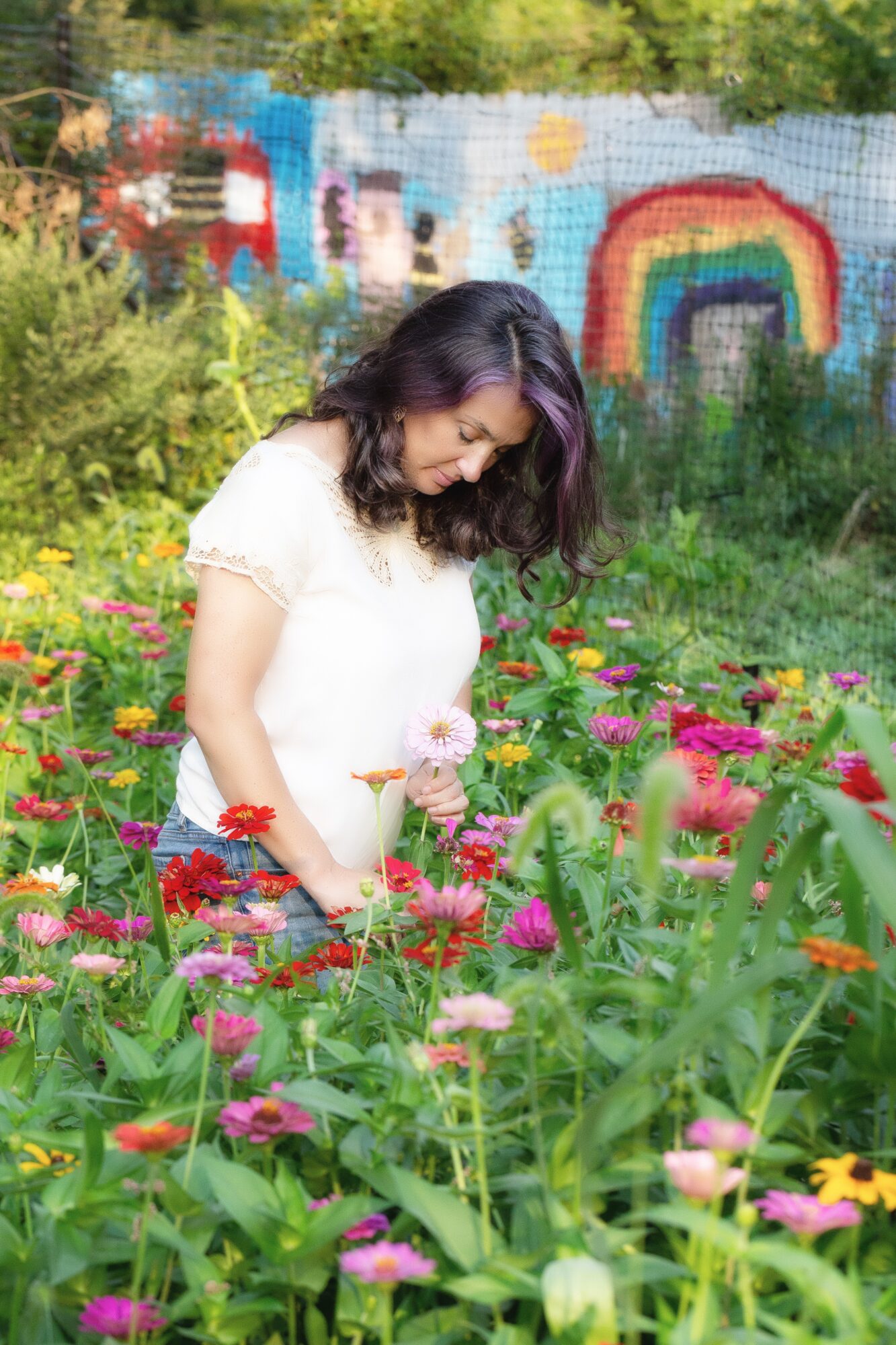
Today we’d like to introduce you to Chiara D’Amore.
Hi Chiara, thanks for sharing your story with us. To start, maybe you can tell our readers some of your backstory.
My story really begins with a lifelong connection to nature. As a child, I felt most at home outdoors — exploring, observing, and sensing early on that the well-being of people and natural the environment were deeply intertwined. That curiosity eventually became both my academic path and my life’s work.
I pursued undergraduate and master’s degrees in environmental fields, which led to more than a decade working as an environmental consultant with government and intergovernmental agencies. I worked on complex environmental challenges at large scales, helping translate science into policy and practice. The work was meaningful, but over time I became increasingly drawn to the human side of sustainability — education, community engagement, and the question of how we help people develop positive relationships with the natural world.
After becoming a parent, those questions became more personal. I wanted work that aligned fully with my values while allowing me to be present for my children. That realization led me back to school to pursue a PhD in sustainability education, where my research explored community-based, nature-centered learning and how local ecological engagement can foster belonging, resilience, and well-being.
In 2016, that research evolved into the founding of the Community Ecology Institute, a Howard County based non-profit organization with a mission to cultivate communities where people and nature thrive together. What began as an extension of my doctoral work grew into a community-rooted organization connecting environment, education, equity, and health through hands-on, place-based programs.
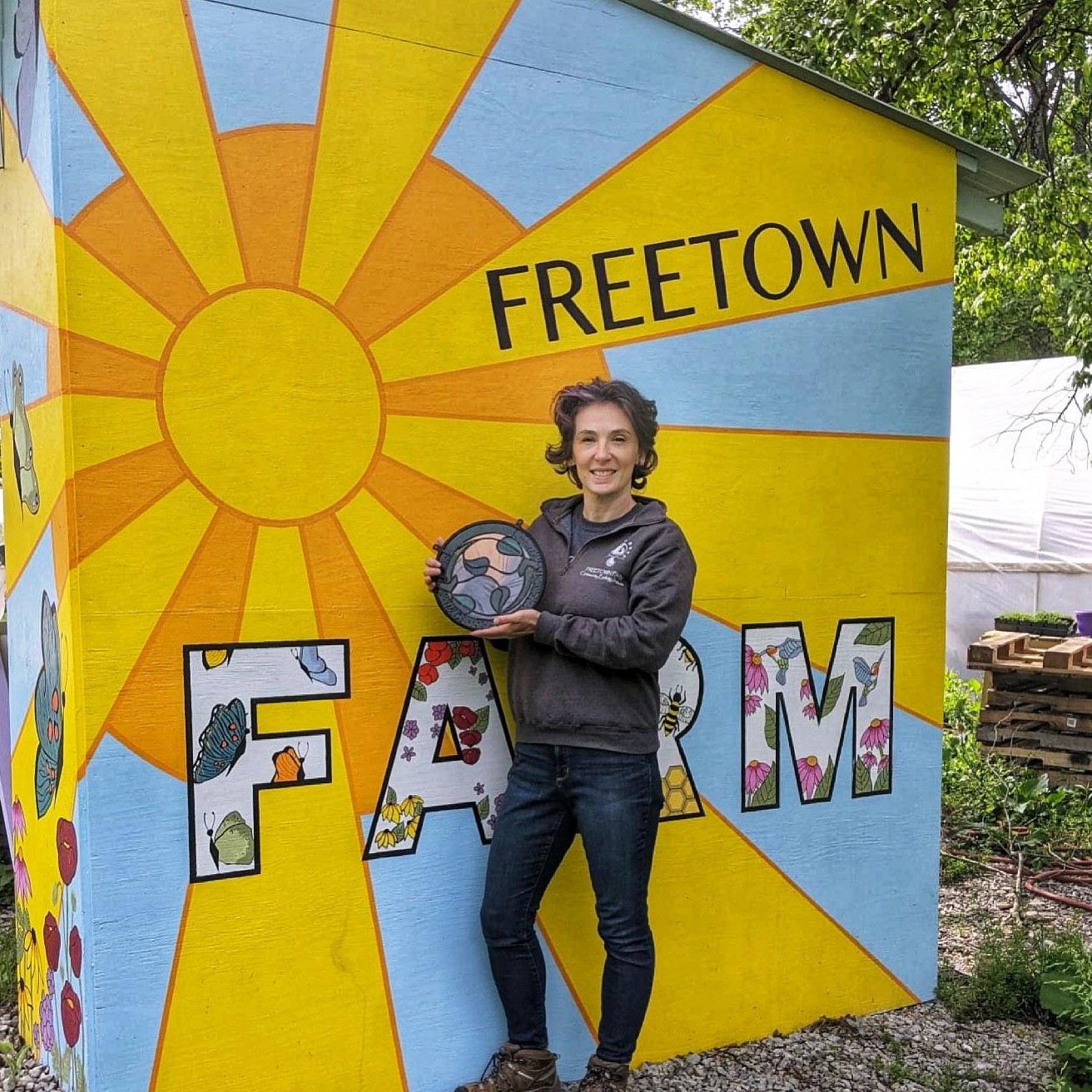
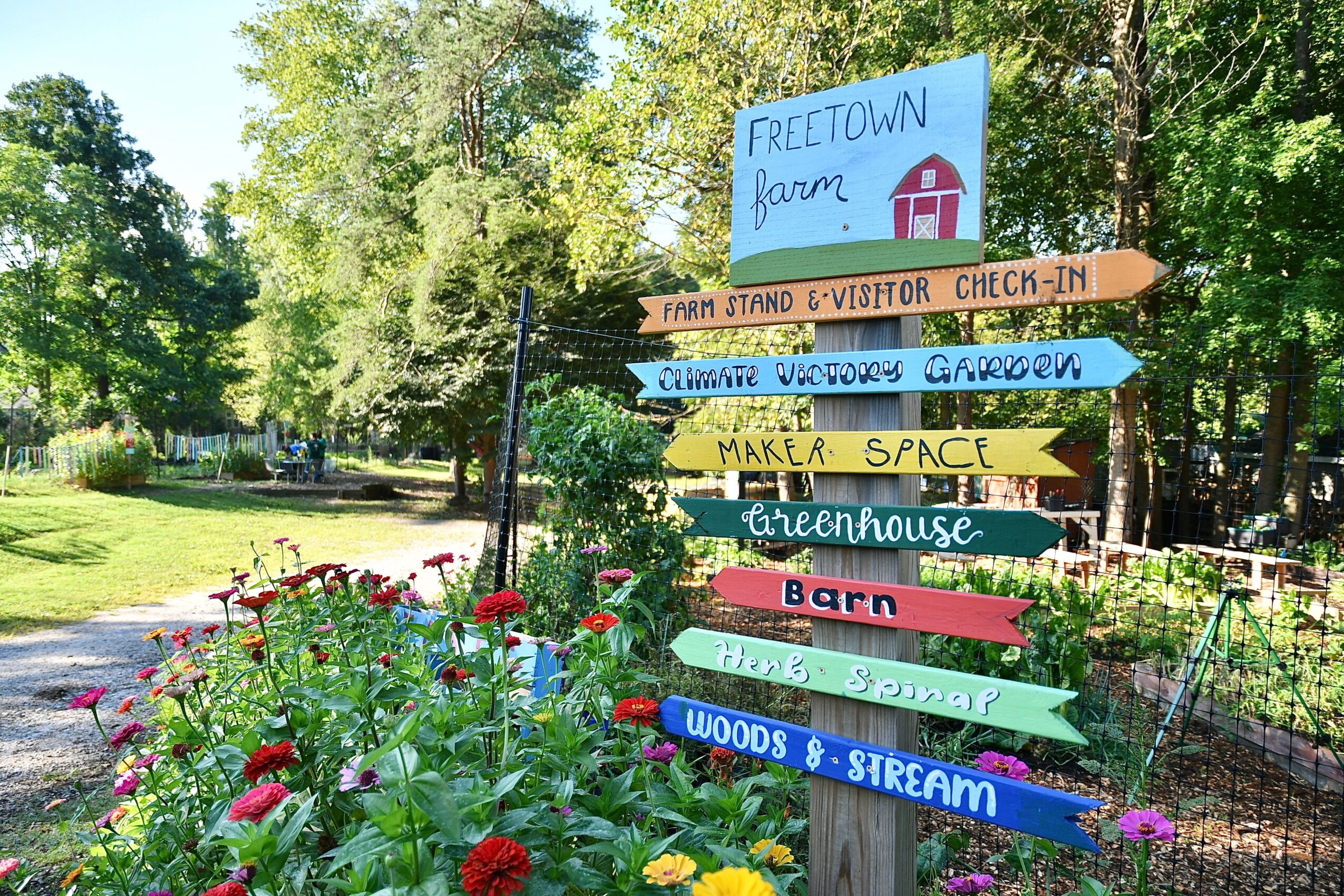
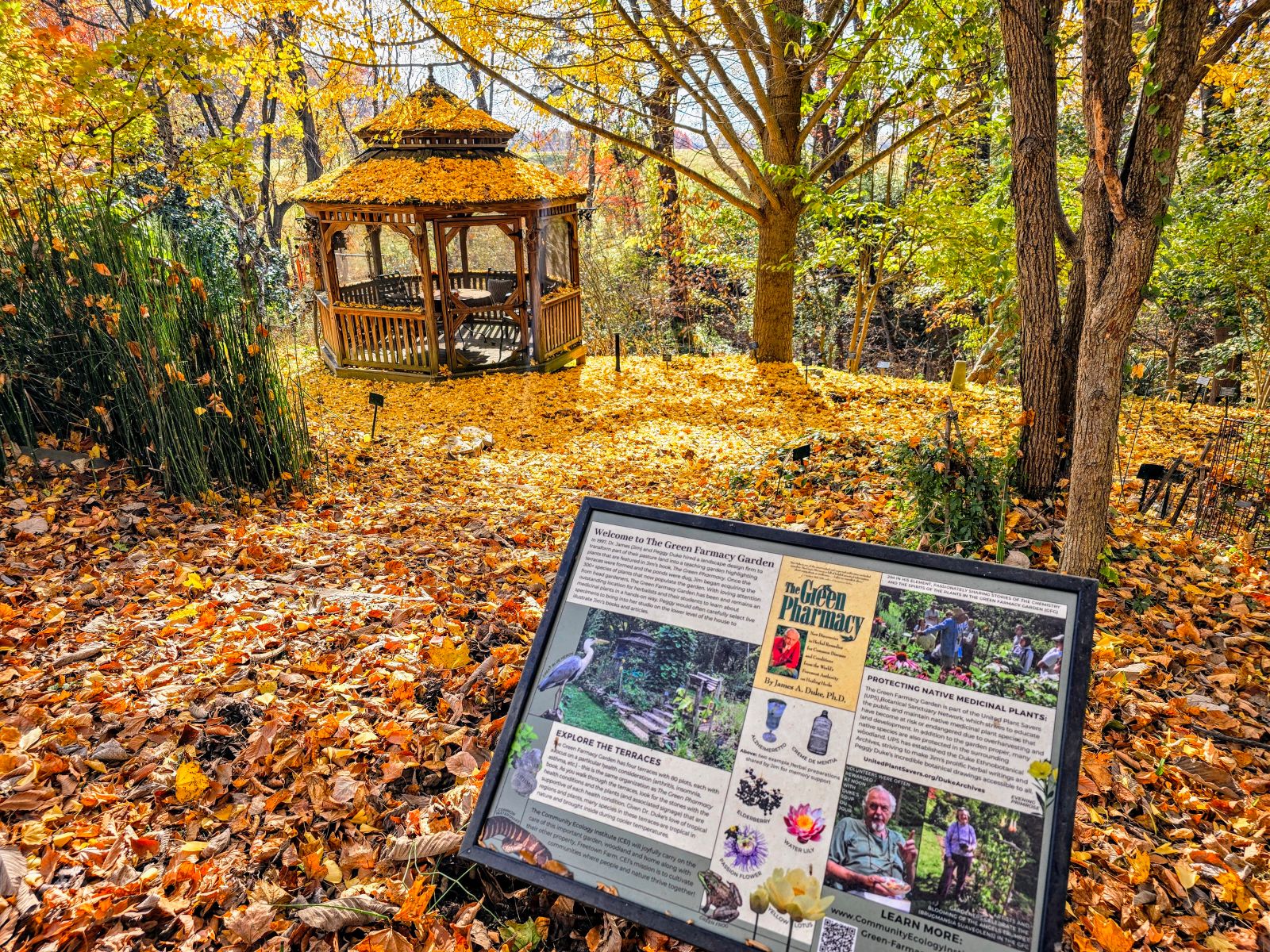
Over the past decade, CEI has grown beyond anything I initially imagined. We helped save and revitalize Freetown Farm and the Green Farmacy Garden, transforming them into living classrooms and shared community spaces. Today, we run intergenerational programs serving diverse community members through environmental education, youth development, gardening, wellness, and leadership opportunities. In 2025 alone, our programs reached more than 5,000 people and generated over 62,000 hours of educational impact.
Looking back, the thread connecting everything — from childhood experiences outdoors to consulting, parenting, research, and entrepreneurship — has been a desire to help people find joy and health through meaningful connection with and care for the natural environment. The Community Ecology Institute is, in many ways, the culmination of that journey: a space where vocation, community, and ecology meet, and where small local actions can grow into lasting change.
Alright, so let’s dig a little deeper into the story – has it been an easy path overall and if not, what were the challenges you’ve had to overcome?
It definitely hasn’t been a smooth road — but the challenges have helped to shape both my leadership and the Community Ecology Institute itself.
Starting CEI in 2016 brought the realities of entrepreneurship: uncertain funding, long hours, and the responsibility of turning an idea into something real and trusted. Efforts to save places like Freetown Farm and the Green Farmacy Garden required persistence, partnership-building, and faith long before outcomes were clear. There have been times where the weight of creating and growing this organization and all of its unique facets felt overwhelming.
Yet those challenges revealed something powerful. People are deeply hungry for connection — to nature, to one another, and to a sense of shared purpose. In a time marked by climate anxiety, social fragmentation, and collective burnout, spaces that foster belonging and hands-on engagement are more important than ever.
What began as academic research has grown into a living example of what’s possible when communities invest in local ecosystems and relationships. The road hasn’t been smooth because we’re building something outside of standard ways of operating — new models for learning, leadership, and community resilience. And that’s what gives me hope: every garden planted, every young person discovering confidence outdoors, every neighbor connecting across differences is evidence that small, local actions can help shape a more sustainable and compassionate future.
Great, so let’s talk business. Can you tell our readers more about what you do and what you think sets you apart from others?
The Community Ecology Institute is built around a simple but powerful idea: when people reconnect with nature and with one another at the local level, healthier communities naturally follow. Our work sits at the intersection of environment, education, equity, and health, and we focus on creating accessible, place-based experiences that help people feel a sense of belonging — both to their community and to the natural world.
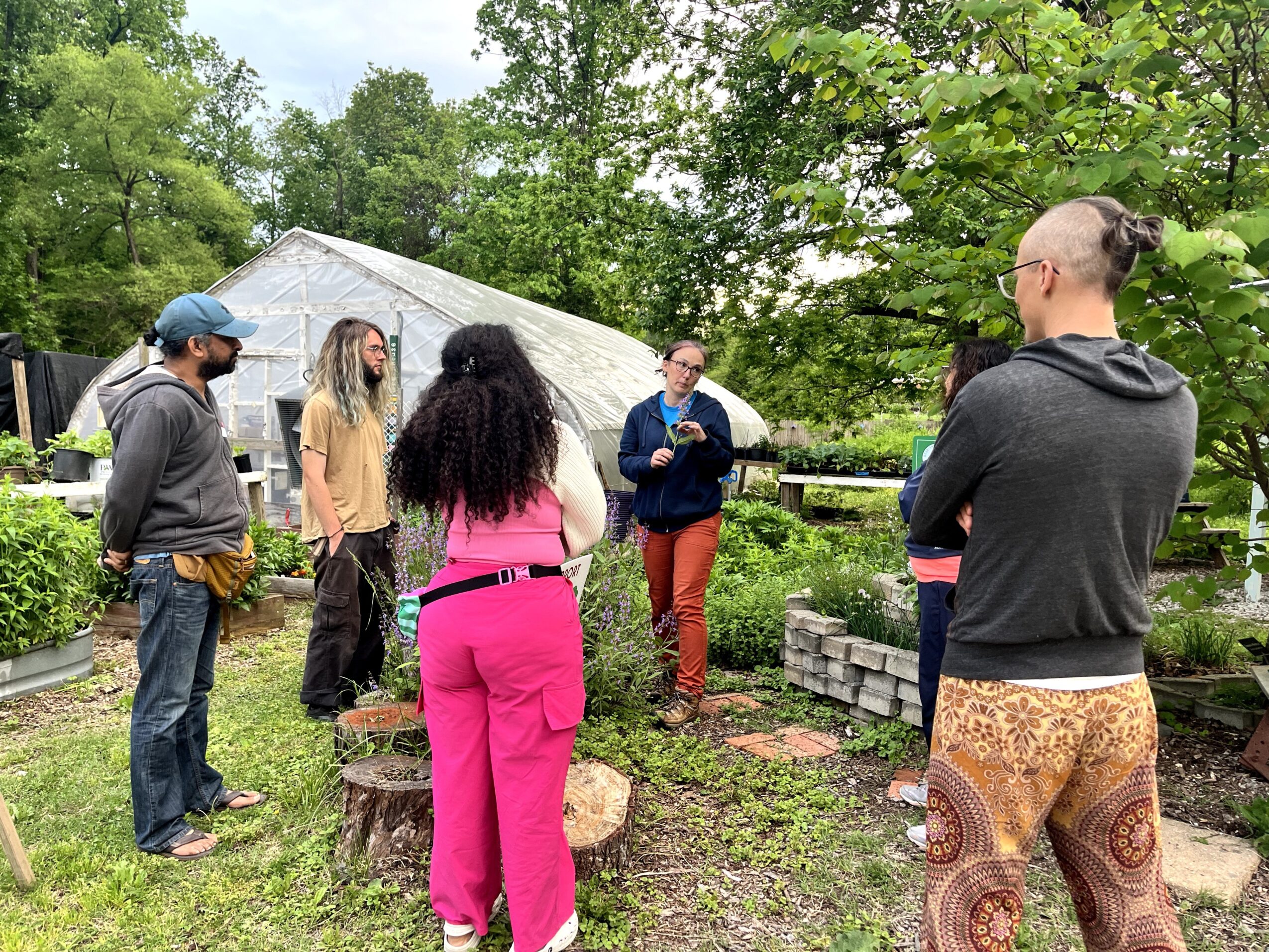
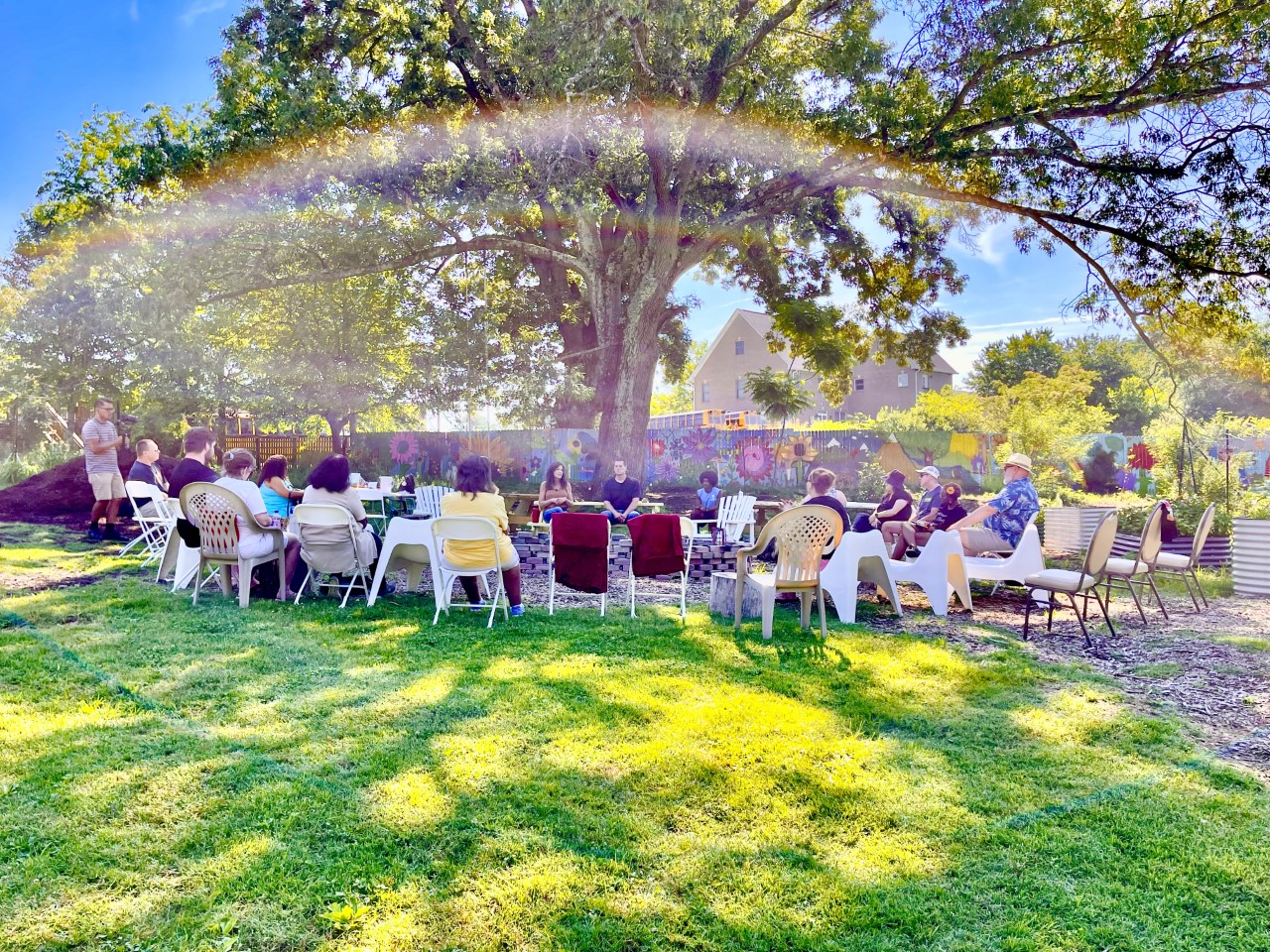
In practice, that means we steward community green spaces, operate intergenerational education programs, and create opportunities for people of all ages to learn through hands-on engagement with land, food, and ecosystems. Our farms and gardens function as living classrooms where environmental learning, youth development, wellness, and community-building happen simultaneously. Rather than treating these as separate issues, we approach them as interconnected parts of one system.
What we specialize in — and what we’ve become known for — is translating big ideas like sustainability and resilience into tangible, everyday experiences. People don’t just learn about ecology at CEI; they participate in it. Children grow food alongside older adults, families learn skills together, and neighbors who might never otherwise meet build relationships through shared work and shared space.
What sets us apart is that we intentionally design for connection across differences — age, background, and life experience. Our programs are intergenerational by design because we believe communities become more resilient when knowledge, care, and leadership flow in multiple directions. We also prioritize accessibility, ensuring that environmental education and wellness opportunities are not limited to those who already have access to green space or resources.
Brand-wise, what I’m most proud of is that CEI feels genuinely community-owned. Over time, it has evolved from an organization serving people to a network shaped by them. The spaces we steward — like Freetown Farm and the Green Farmacy Garden — are not just program sites; they are places where people feel welcome, needed, and connected.
What I want readers to know most is that CEI isn’t just about gardens or environmental programs. It’s about cultivating the conditions for people and communities to thrive. At a moment when many people feel disconnected or overwhelmed by global challenges, we focus on what is tangible and hopeful: creating local spaces where care, learning, and ecological stewardship become part of everyday life. Our work shows that sustainability doesn’t have to feel abstract — it can begin right where you live, with the people around you.
How can people work with you, collaborate with you or support you?
One of the things we value most at the Community Ecology Institute is that there are many ways to be part of the work, depending on someone’s interests, skills, and capacity. Our model is intentionally collaborative because community resilience is something we build together.
Individuals can engage by participating in our programs, volunteering in our gardens and educational spaces, or simply spending time in the environments we steward. Many people begin by showing up for a workshop or volunteer day and discover a deeper sense of connection — both to nature and to their neighbors.
We also partner with schools, nonprofits, healthcare organizations, and local governments to design programs that connect environmental education, wellness, and community engagement. Businesses and community partners collaborate with us through sponsorships, employee volunteer days, and shared initiatives that align ecological stewardship with social impact. These partnerships allow organizations to invest directly in the health and vitality of the communities they serve.
For those who want to support our work more broadly, financial contributions help sustain accessible programming and ensure that our farms and gardens remain welcoming public spaces. Because we are community-based, every form of support — time, resources, expertise, or advocacy — directly strengthens local impact.
What matters most is participation. Whether someone joins us as a learner, volunteer, partner, or supporter, they become part of a larger effort to cultivate connection, belonging, and care for the living systems we all depend on. Our work grows through relationships, and we’re always excited to welcome new collaborators who share the belief that small, local actions can create meaningful change.
Contact Info:
- Website: https://www.communityecologyinstitute.org
- Instagram: https://www.instagram.com/communityecologyinstitute
- Facebook: https://www.facebook.com/communityecologyinstitute