



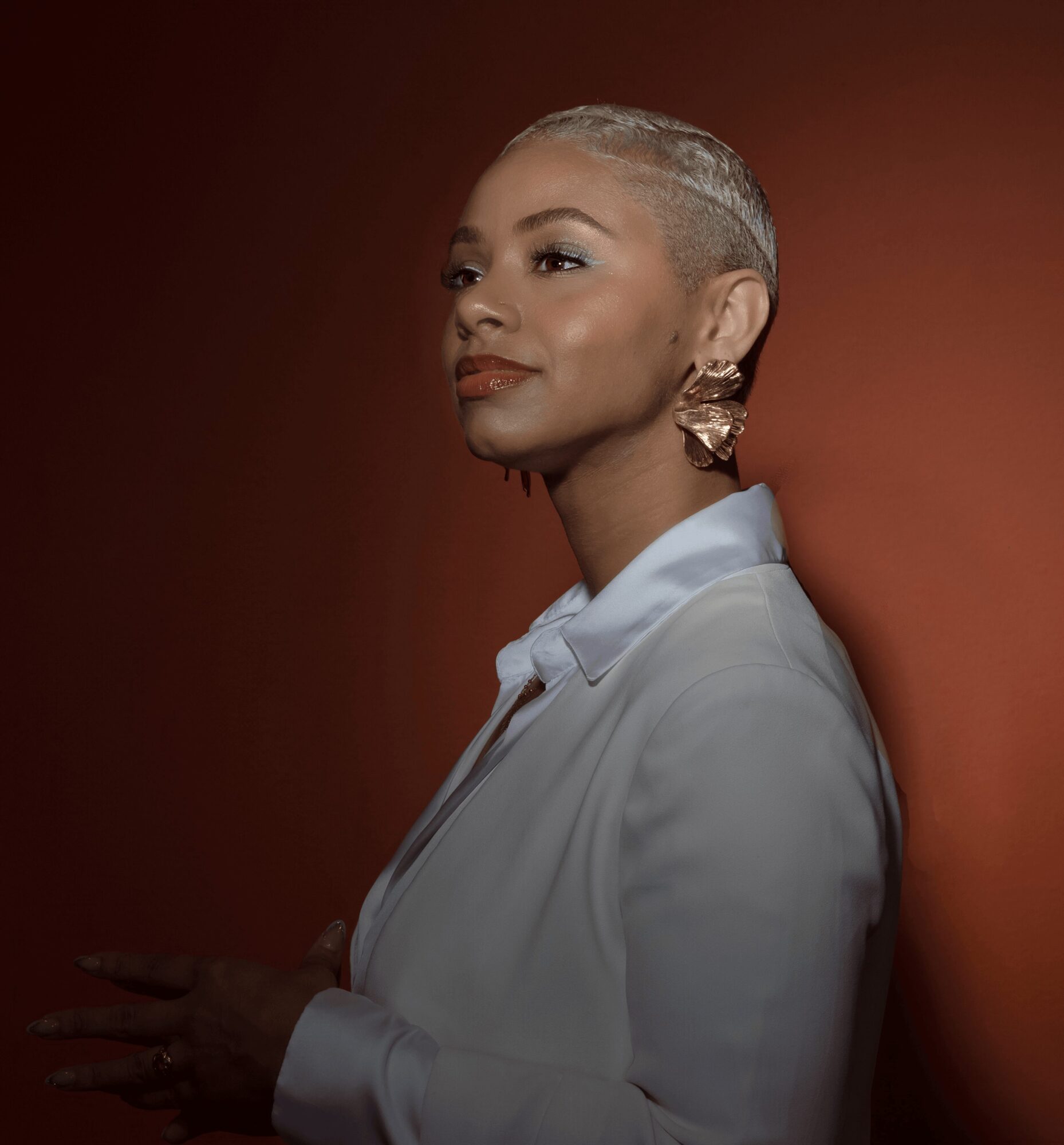
Today we’d like to introduce you to Tenaj Moody.
Hi Tenaj, can you start by introducing yourself? We’d love to learn more about how you got to where you are today?
Light to Life began with my own survival. I am a biracial Black and Puerto Rican woman and a survivor of domestic violence. Instead of being protected, I was punished for defending myself. At the same time, I was witnessing my mother’s incarceration, which was also rooted in her experience as a survivor. Seeing both of us criminalized because of violence we endured made one thing painfully clear to me early on: survival should never be treated as a crime.
That reality is what led me into this work. I began working inside prisons and reentry spaces, facilitating healing-centered programming and partnering with correctional professionals to shift how trauma, accountability, and survival are understood. I wasn’t interested in surface-level solutions—I wanted to change the way systems respond to survivors, especially Black and Brown women.
Light to Life grew from that commitment. We center survivors of domestic violence who have been impacted by incarceration and treat lived experience as expertise. This summer, we’re launching transitional reentry work in Baltimore focused on supporting women returning home with their children, addressing healing, housing stability, and family reunification together.
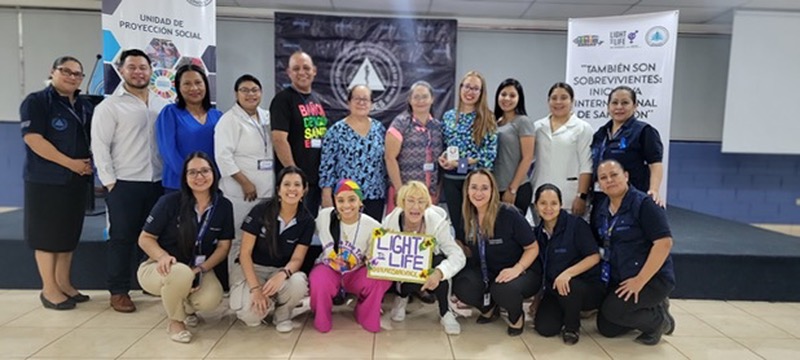
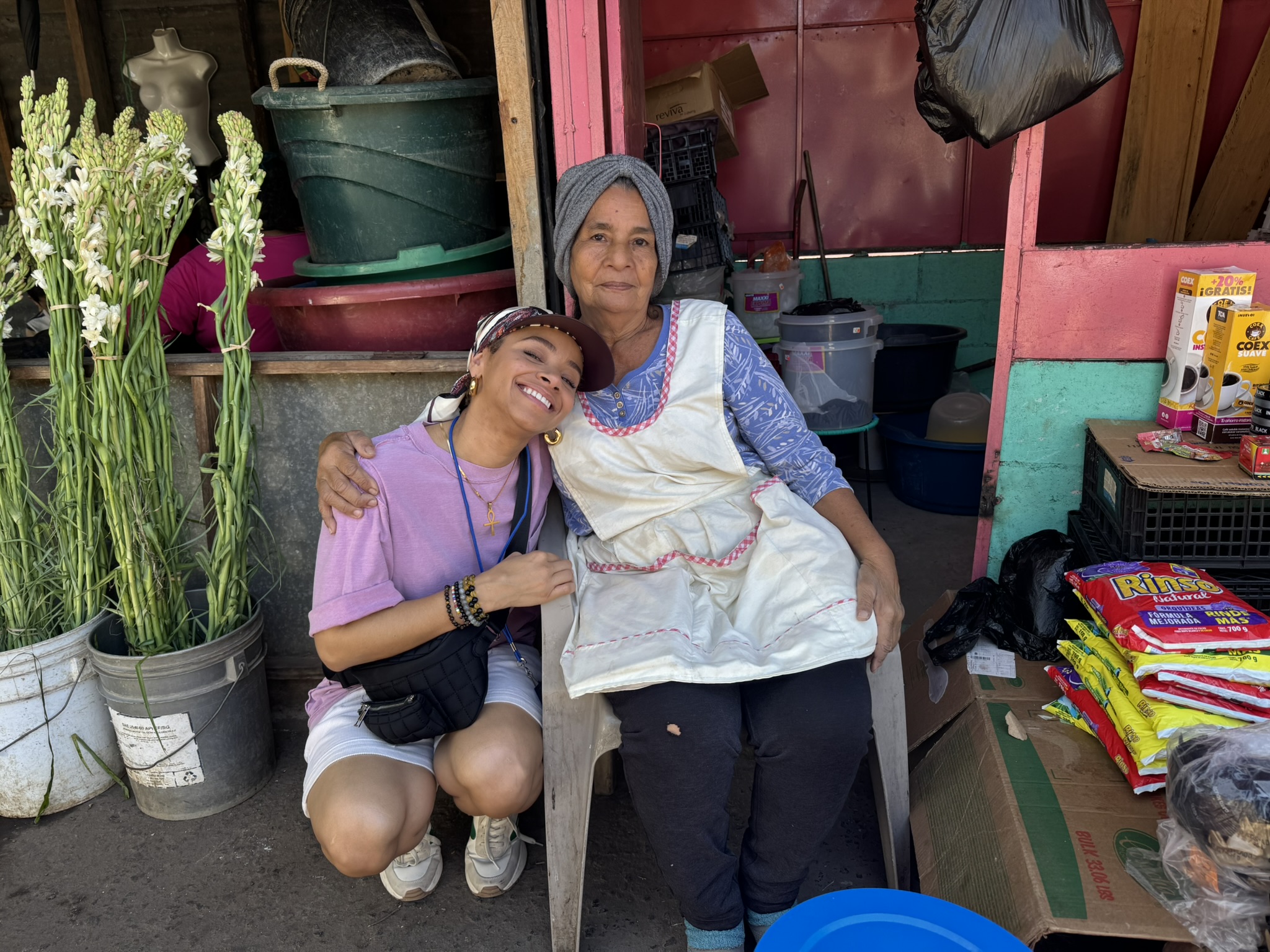
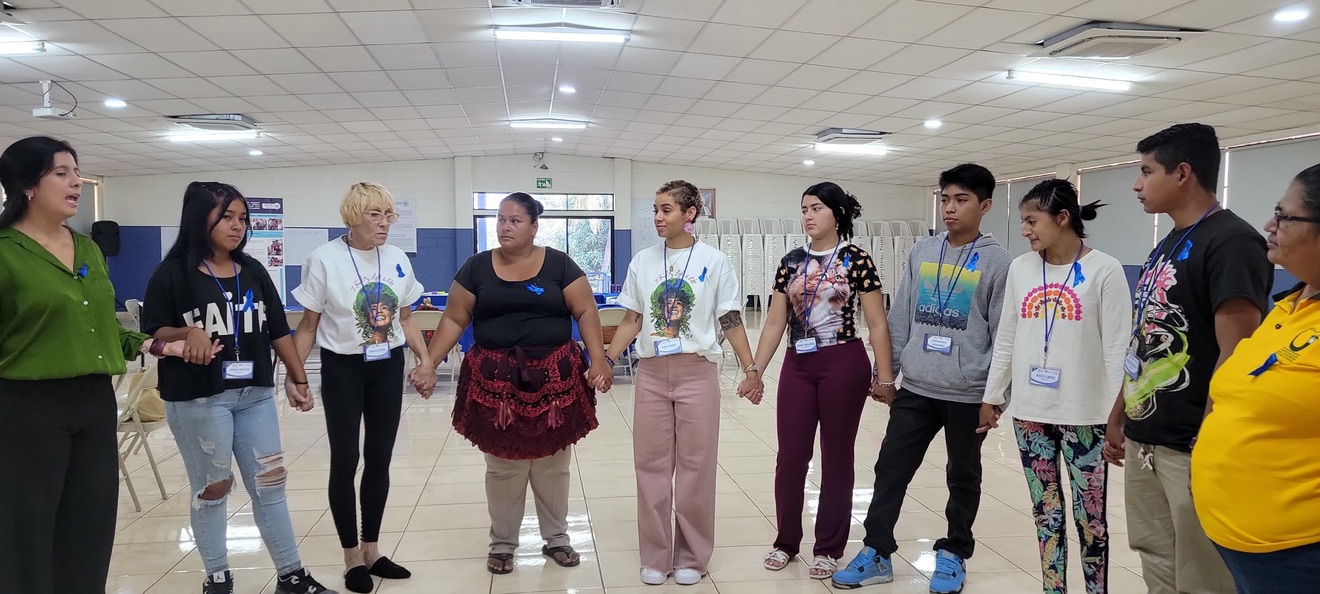
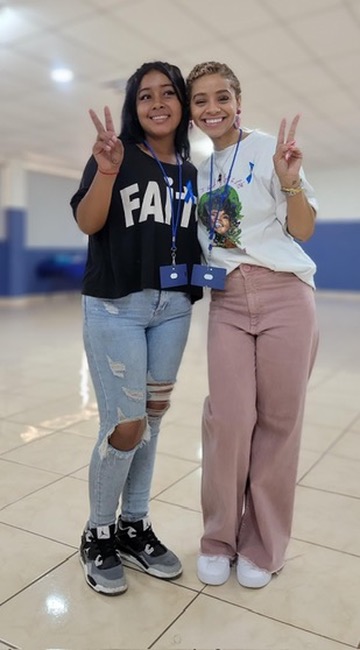
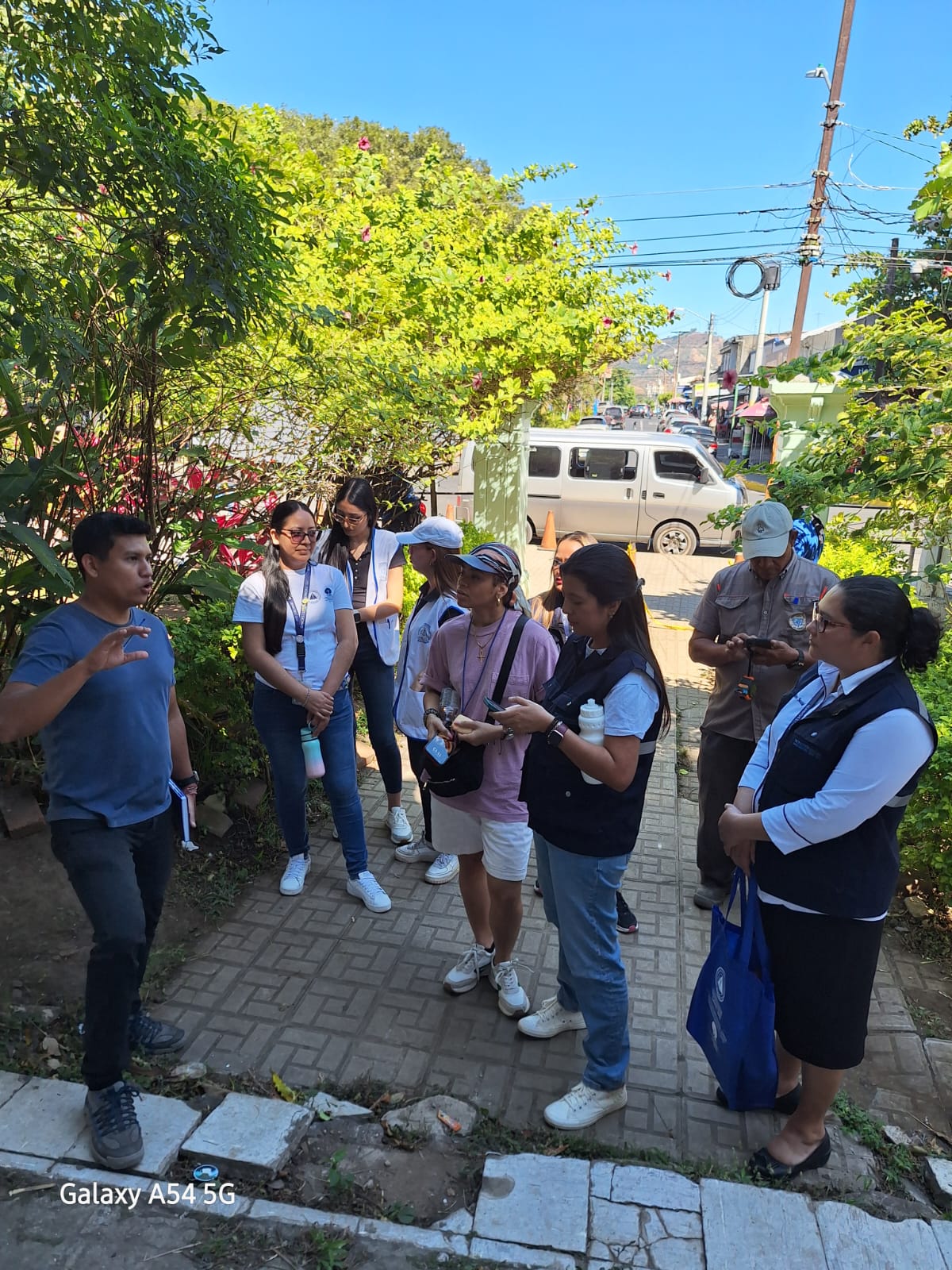
Our international work in El Salvador has further shaped our vision. Through community-led research, women shared how violence, incarceration, deportation, and lack of healthcare intersect in their lives. What we learned directly from the community informed our plan to build a women’s health and healing center that is locally rooted and led by women themselves.
Today, Light to Life is about building pathways from survival to stability—locally and globally—while ensuring survivors are met with care, not punishment.
I’m sure it wasn’t obstacle-free, but would you say the journey has been fairly smooth so far?
The biggest challenge has been witnessing how many women lack access to—or awareness of—the resources needed to heal and successfully reenter their communities with their families. While there are services for domestic violence survivors, far fewer are designed for survivors who have also experienced incarceration, whose needs are uniquely complex.
I also grapple with capacity. I wish Light to Life could be a one-stop shop, but our focus is healing and prevention through workshops, training, and education—especially building healthy relationships with oneself and with others. What’s become clear is the need for a centralized, survivor-centered approach that recognizes there is no one-size-fits-all path to healing or reentry.
Thanks for sharing that. So, maybe next you can tell us a bit more about your business?
Light ToLife is a mission-driven social enterprise (LLC) advancing healing-centered work through community-based participatory research, curriculum development, training and consulting, and program design—centering survivors of gender-based violence and incarceration. We partner with with communities, organizations, and institutions to build programs and systems of care and healing.
What sets Light to Life apart is our survivor-led, community-informed approach. In addition to direct programming, we provide technical assistance to organizations seeking to better center survivors within their policies, programs, and organizational culture—helping move systems beyond performative trauma-informed practices toward meaningful, lasting change.
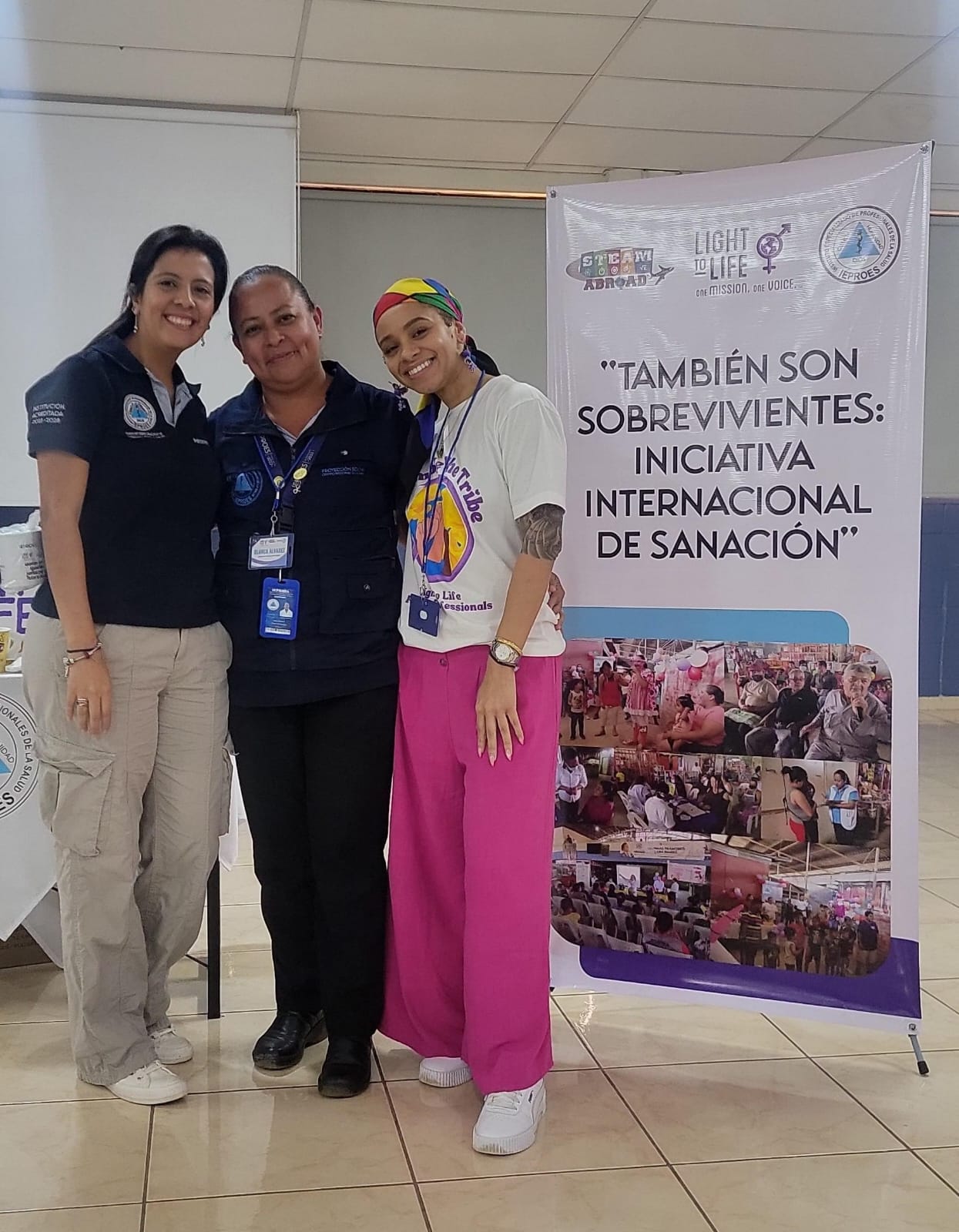
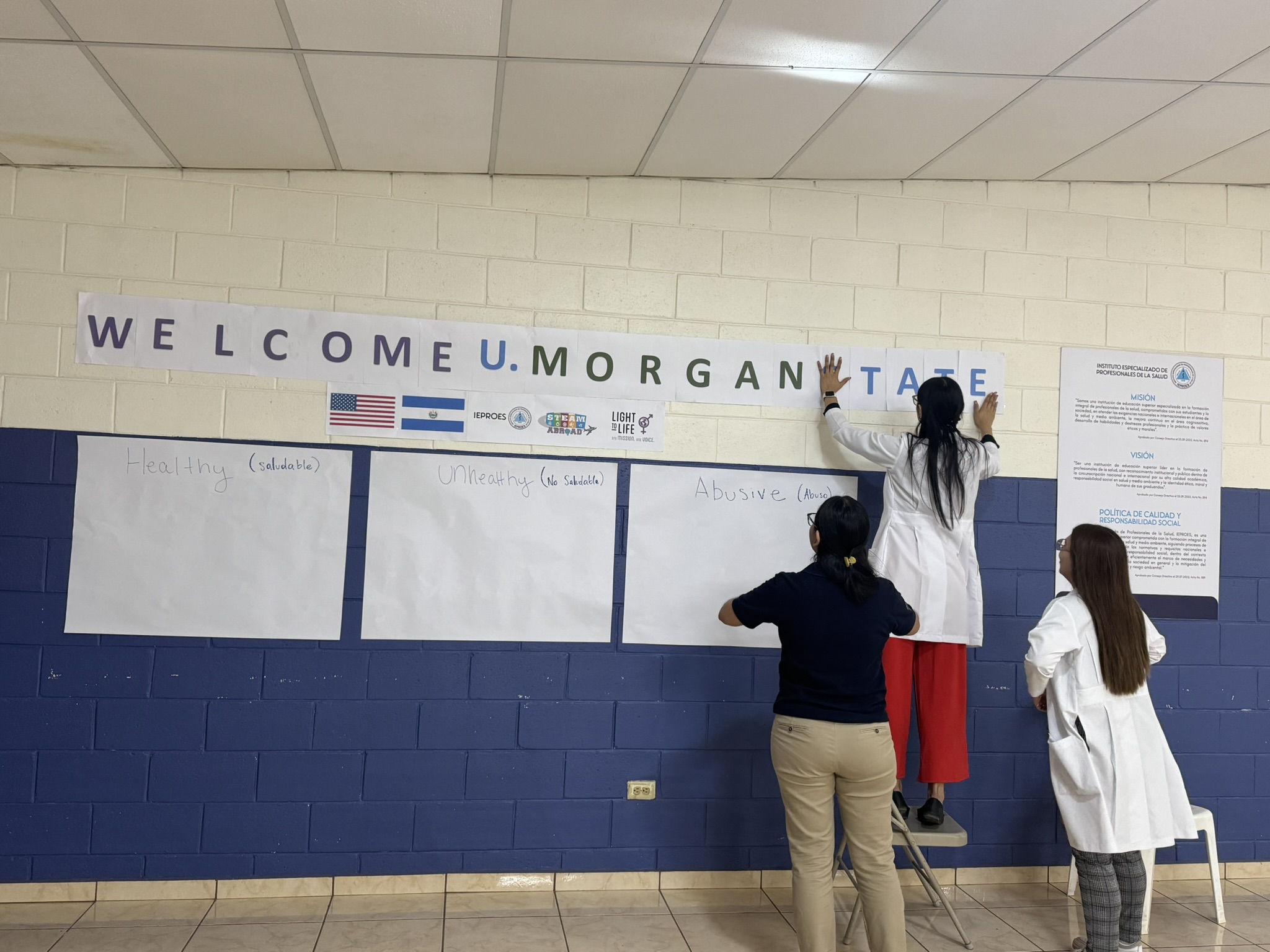
A major focus of our work right now is our international initiative in El Salvador. Building on They Are Survivors Too International, recently recommended for funding by the Morgan CARES Community Award Program, we launched the International Healing Initiative in partnership with IEPROES and STEAM Abroad. Through community-led research, workshops, and listening sessions, women shared how intimate partner violence, incarceration, deportation, and lack of access to healthcare intersect in their lives. These findings directly shaped our vision to fundraising to build a women’s healing health center that is locally rooted, culturally responsive, and guided by the needs women themselves identified.
Domestically, we continue to work inside prisons and reentry spaces and are expanding transitional reentry support in Baltimore this summer for women returning home with their children. What I’m most proud of is that Light to Life builds with communities, not for them—creating pathways from survival to stability while keeping lived experience, trust, and healing at the center of everything we do.
People can learn more about El Salvador’s Women’s Healing Health Center: https://gofund.me/a149c80d0
What would you say have been one of the most important lessons you’ve learned?
The most important lesson I’ve learned is the power of community care. I’ve seen that we are far more capable of healing our communities than we’re often led to believe. When we intentionally build small pockets of care—on our own blocks, in our own circles, on our own slice of the earth—people begin to lean into one another instead of relying solely on systems that were never designed to hold them fully.
That’s where real healing and freedom live. Systems can provide structure, but people heal people. When survivors are surrounded by care, trust, and shared responsibility, transformation becomes possible in ways no policy or program alone can achieve.
Contact Info:
- Website: https://www.lighttolife.org/
- Instagram: https://www.instagram.com/onemissiononevoice/
- LinkedIn: https://www.linkedin.com/in/tenaj-moody-m-s-lbs-9a021188/
- Youtube: https://www.youtube.com/watch?v=-7TJOW_CRCY
- Other: https://www.theyaresurvivorstoo.org/