




Today we’d like to introduce you to Phil Weiss.
Hi Phil, thanks for joining us today. We’d love for you to start by introducing yourself.
Hi, my name is Phil Weiss. My firm is Apprise Wealth Management. And, at Apprise, I work with women facing new beginnings.
My motivation for the work I do is to keep other women from experiencing what I saw my mother go through when I was growing up.
Growing up in my household, it was the normal family model. My father was responsible for the finances. My mother was responsible for caring for my sister and me. But here’s the thing, my father, he wasn’t good at it at all. We had unpaid bills. We had no credit. We had no savings. Preparing for retirement was not part of the equation at all.
There were no real savings, nothing. I remember when I got my driver’s license, I had to go to the local utility company to pay bills when some of our services had been turned off, and they needed to be paid to turn them back on.
When it was time for me to go to college, I was told, Go anywhere you want. And I was going to be a doctor, and I decided to go to Duke.
I did a lot to stay in school. I even spoke to the school president about my situation. But after my junior year, we agreed I had to pay back what I owed before I could finish. So I left. It was a toxic situation at home. I moved across the country to Tucson. When I was ready to go back to school, I wasn’t going to be a doctor anymore. At Duke, I was a psychology major. That would mean graduate school. I couldn’t afford that. I was going to be an accountant, and Duke doesn’t offer accounting degrees. I applied to the University of Arizona because I had residency from living in Tucson. I applied to Rutgers because I still had residency because of my parents.
And I decided to come home because I believed I would get a better job after graduation if I went to Rutgers.
While I was back in school, my mother returned to school, became an occupational therapist, and ultimately launched her own business. I know she did all that because she was trying to put herself in a position to leave my father and survive on her own. Unfortunately, my mother was diagnosed with Stage 4 breast cancer before she had the opportunity to do that.
After I finished school, I moved back home because I paid for my college and my rent with credit card checks. So, I was not in the best financial position myself. One day, I got home and went to get the mail. There were credit card bills. They had my name on them. But they weren’t mine. My father had forged my name to get credit cards.
I knew it for a fact because one of the credit card companies sent me a copy of the application, and it was his handwriting.
I confronted him. I called the companies. They took the cards in my name and put them in his because he’d been paying enough to meet their minimum payment requirements. So, the credit card companies thought that was okay. I made sure those balances were paid off. I moved out of my house.
As I said, we found out my mom had Stage 4 breast cancer. That’s when we found out how bad my parents’ financial situation truly was. My mom asked me to help. Those credit cards. My father didn’t pay them. So now they were all overdue and in collection. And my parents had to sell their house while my mother was going through treatment because the mortgage was at a really high rate, and they were behind. They were going to get foreclosed on.
I did what I could to help, but unfortunately, my mom didn’t make it. Her cancer metastasized to her brain, and she passed away about 18 months later.
So now, I see my work as an effort to help keep other women from going through what my mother experienced.
As part of what I do, I’m also now a registered life planner, and that’s an experiential process. So, I have my own life plan. And the first element of my life plan is to create a scholarship for women who go back to school later in life, in memory of my mom. Plus, as I said, I want to help women avoid having the things that happened to my mother happen to them.
And ultimately, I’d like to set aside a percentage of my firm’s revenues and tie it to my annual contributions to the scholarship.
I’ve looked into some organizations to do that with. I’m not happy with what I’ve found. I’ve started putting some money away until I can figure out a way to do it on my own. And that’s my why.
I’m sure it wasn’t obstacle-free, but would you say the journey has been fairly smooth so far?
Not smooth at all. I often tell people there are two types of role models. When it comes to finances, my father was a bad role model. Fortunately, you can still learn from bad role models. I learned everything not to do.
When I returned to college at Rutgers, I still couldn’t afford everything. I used to use credit card checks when I was short of cash. I used them to pay my rent or to help fund my tuition. I ended school with a good amount of debt, including credit card and student loan debt. When I realized how much the credit card debt was costing me, I devised a plan to repay it. By some good fortune at work, I repaid it even faster than I’d planned.
I haven’t had credit card debt since. I repaid all my student loan debt before I got married.
My career has had a number of twists and turns, too. I began as a tax professional at Deloitte, where I worked across all areas of income tax. After that, I worked for some large multinational companies, specializing in international tax research and planning.
I decided I no longer wanted to do that type of tax work. I learned about the CFA designation and decided to use that to get out of the Tax Department. After becoming a CFA charterholder, I worked as an analyst covering oil and gas companies (energy stocks). I then worked for another advisor before launching Apprise.
Appreciate you sharing that. What should we know about Apprise Wealth Management?
Apprise Wealth Management is a boutique, fiduciary financial planning firm. We help individuals and families make decisions with clarity and confidence, especially during major life transitions. This often includes retirement, divorce, widowhood, an empty nest, or a career change, and our focus is on working with women facing these new beginnings. When life shifts, the financial questions come quickly. What should I do next? How do I protect myself? How can I ensure I’m not missing something?
We offer comprehensive financial planning. We integrate retirement income planning, investment management (when appropriate), tax planning, and estate planning coordination into a cohesive strategy. Because these areas don’t live in separate boxes in real life. A Roth conversion affects Medicare premiums. A home sale has tax consequences. A required distribution might change your entire retirement paycheck strategy. When it comes to taxes, it’s not just about what you pay this year. It’s about understanding how much you will pay during your lifetime, and making thoughtful decisions along the way. Our job is to connect the dots and serve as the quarterback, alongside your CPA and estate-planning attorney.
We think of ourselves as different from most other financial advisors in two primary ways:
First, we start with the person, not the portfolio. We use a life-planning approach to help clients get clear on what matters most, then translate that clarity into practical financial decisions. Money is a tool. The goal is a life that feels stable, intentional, and free.
Second, we bring real technical depth, particularly around taxes. As a CPA, I focus on year-round planning, not just year-end scrambling. Clients want more than investment performance conversations. They want smart decisions, fewer surprises, and a plan they can trust.
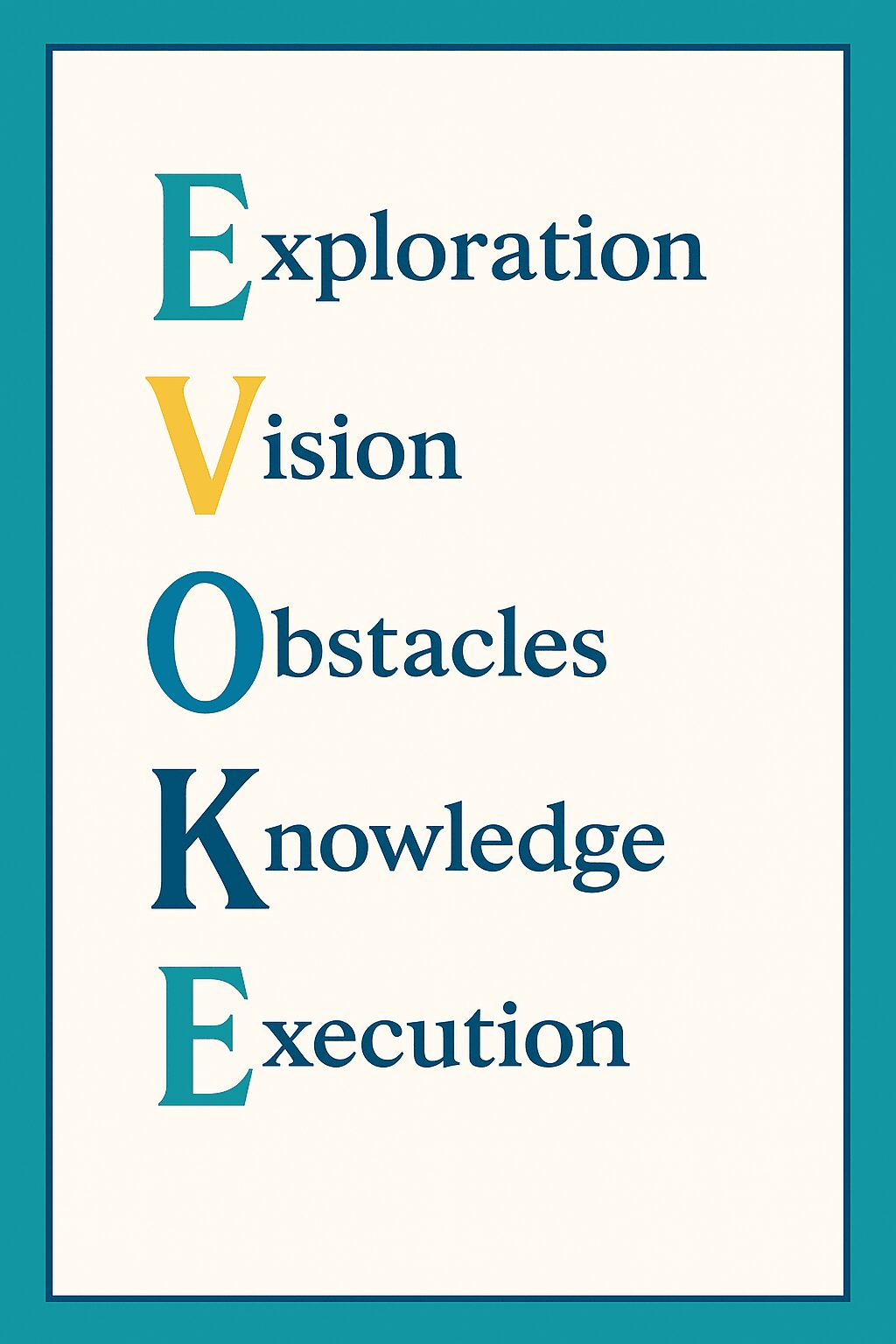
What sets Apprise apart is the combination of rigorous planning and a human approach. We don’t try to impress people with complexity. We aim to make the next right step clear. To guide that work, we follow the EVOKE® life-planning process: Exploration, Vision, Obstacles, Knowledge, and Execution.
Brand-wise, I’m most proud that Apprise is built around calm, values-aligned guidance and long-term relationships. We’re not a high-volume firm. We’re intentionally boutique, so clients feel known, supported, and well served.
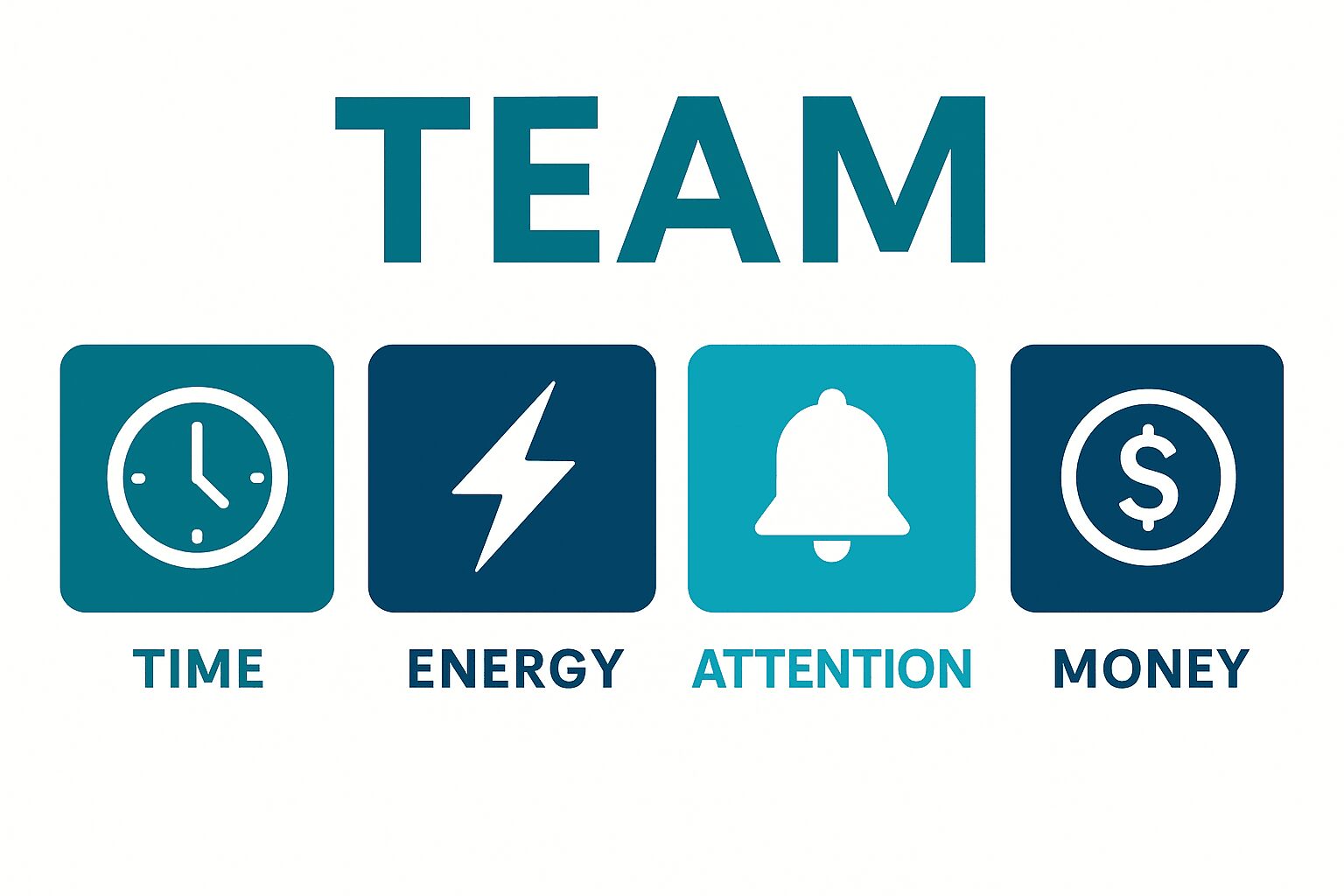
What I want readers to know is simple. If you’re facing a transition, you don’t have to figure it out alone. A good planning relationship should reduce stress, create clarity, and help you use your TEAM of resources. Time, Energy, Attention, and Money. Money can be used to buy back time, reduce energy drain, and protect your attention for what matters most. When your TEAM is aligned with your values, you’re more likely to build a fulfilling life.
Do you have recommendations for books, apps, blogs, etc?
When asked to recommend a book on personal finance, my go-to is The Psychology of Money by Morgan Housel. I recently finished Morgan’s third book, The Art of Spending. It’s another top recommendation. In some ways, it’s even better. I also recommend Your Money or Your Life: 9 Steps to Transforming Your Relationship with Money and Achieving Financial Independence.
While there hasn’t been a new episode released in several months, I recommend the podcast 50 Fires: Money and Meaning with Carl Richards. We often find it hard to talk about money. In this podcast, Carl, who started his career as a financial advisor, has wonderful conversations about money with many well-known individuals. He asks great questions, and the interviews are quite thought-provoking. I’ve listened to them with my wife and stopped them at times so that we can discuss some of the questions further.
I also blog weekly and alternate among three different formats: long-form content on a financial topic, a relatively short video offering a financial tip, and a life planning=related opening discussion, where I also share five articles I’ve read that are worth sharing. Usually, three of those articles are about a financial topic. The other two cover anything that I find interesting and worth sharing.
Pricing:
- I work with clients in one of two ways:
- About half of my clients pay me based on the amount of assets I manage.
- The other half pay me a flat, quarterly fee.
- You can find out more about my fees on my website: https://apprisewealth.com/fee-schedule/
- I do not sell any type of financial products.
Contact Info:
- Website: https://apprisewealth.com/
- Instagram: https://www.instagram.com/phweiss11/
- Facebook: https://www.facebook.com/AppriseWealth/
- LinkedIn: https://www.linkedin.com/in/philip-weiss/
- Youtube: https://www.youtube.com/channel/UCdxgFt2cD1r5WP0-Y6LqMDg/
- Other: https://apprisewealth.com/news/