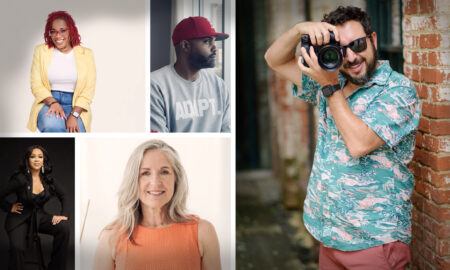




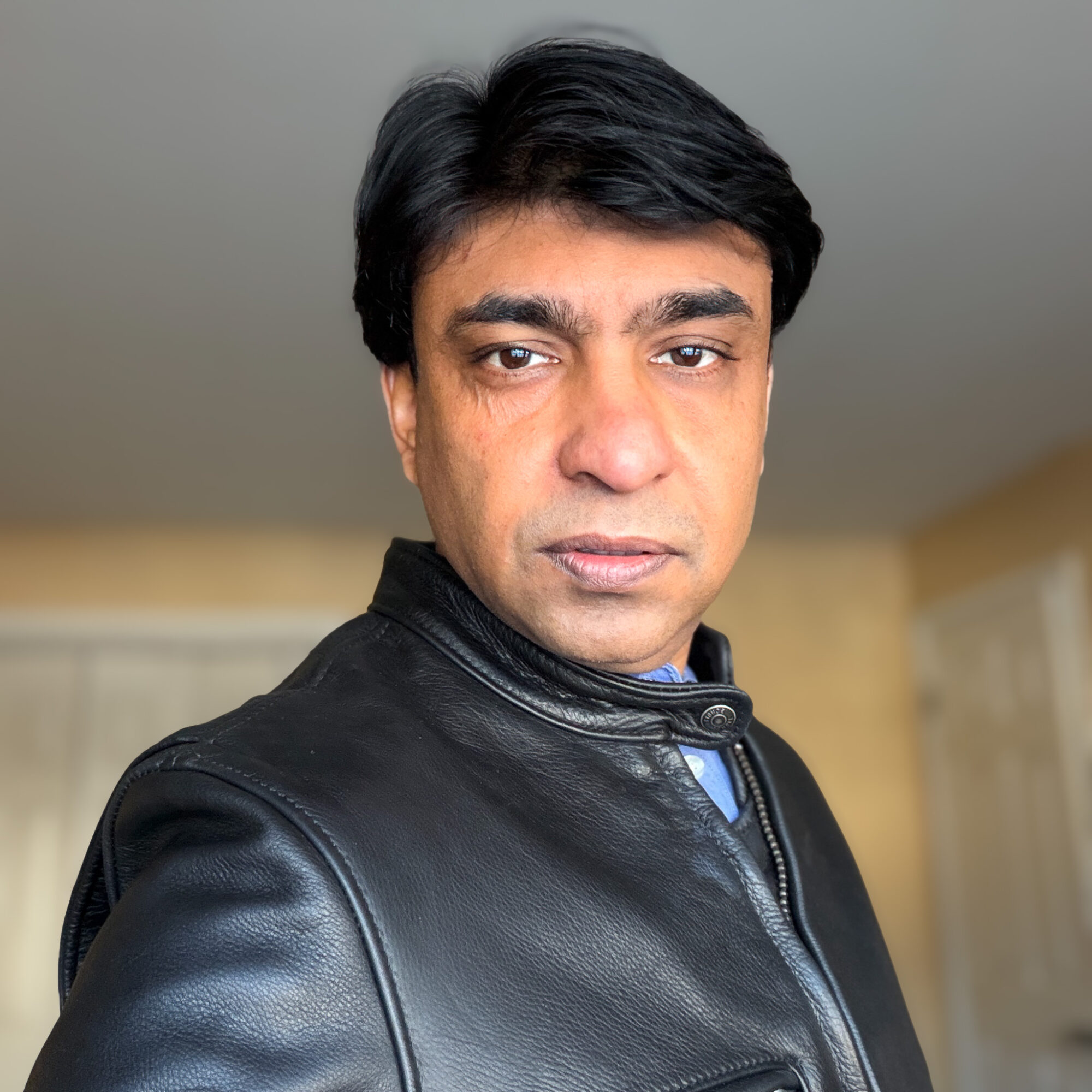
Today we’d like to introduce you to Abhishek Nigam.
Abhishek, we appreciate you taking the time to share your story with us today. Where does your story begin?
My name is Abhishek Nigam, and photography for me started as curiosity but slowly became purpose.
I’ve always been drawn to stories — the emotions in a portrait, the silent drama in everyday moments, and even the larger-than-life personality hidden inside a small toy. What began as experimenting with light and composition gradually turned into a serious creative pursuit. I invested time in learning not just the technical side of photography, but the art of storytelling — understanding mood, expression, perspective, and how light shapes emotion.
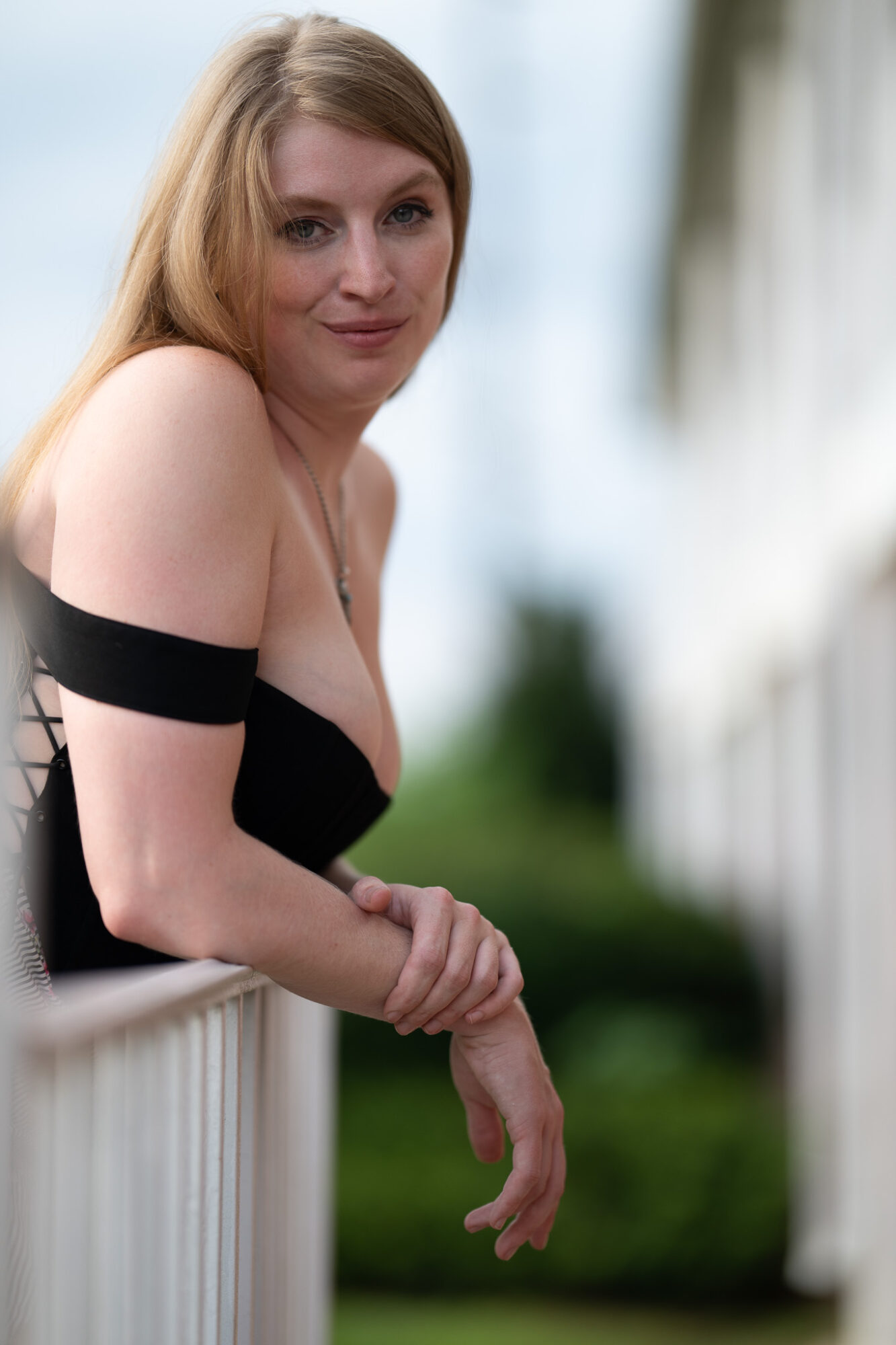
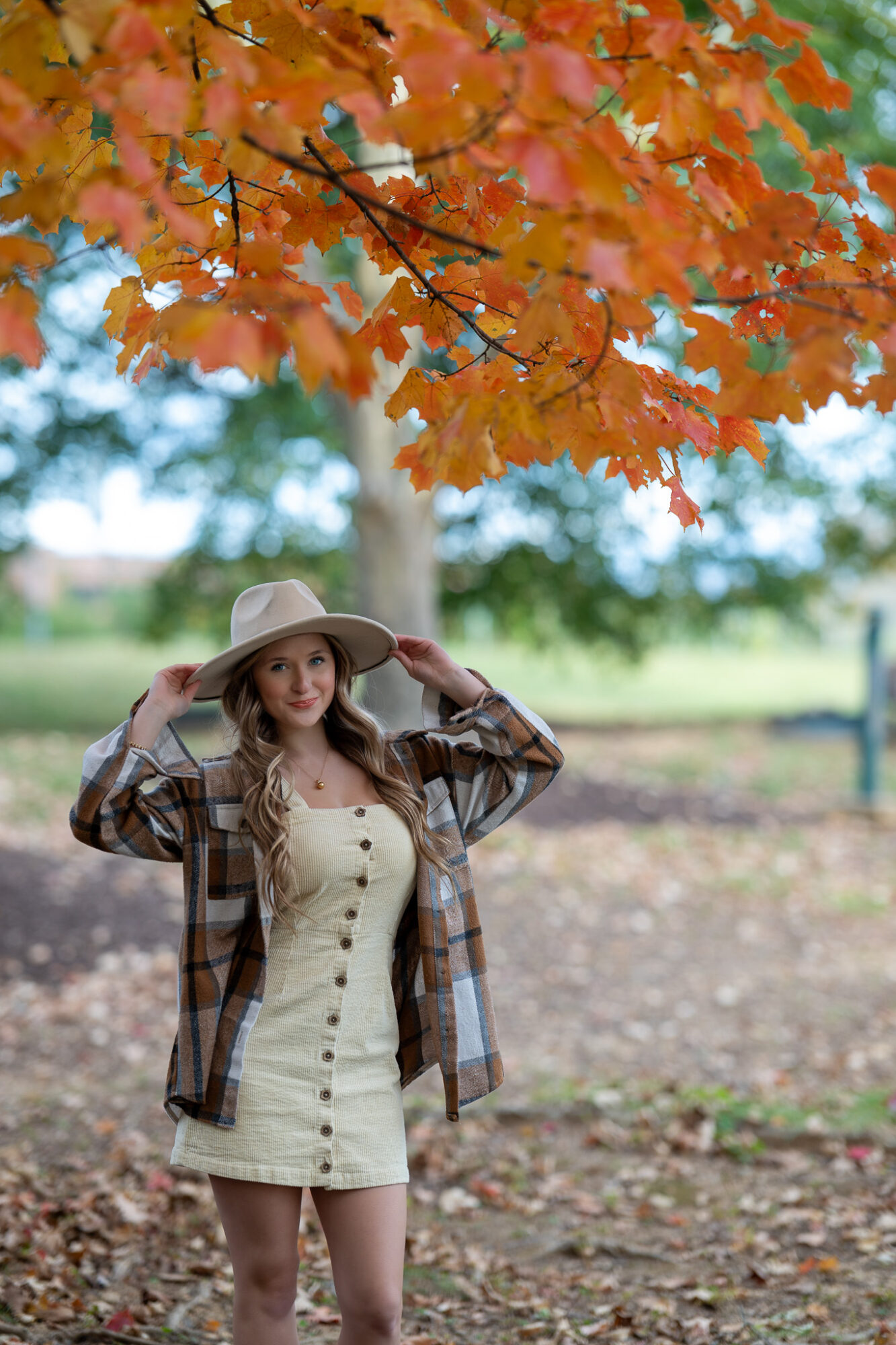
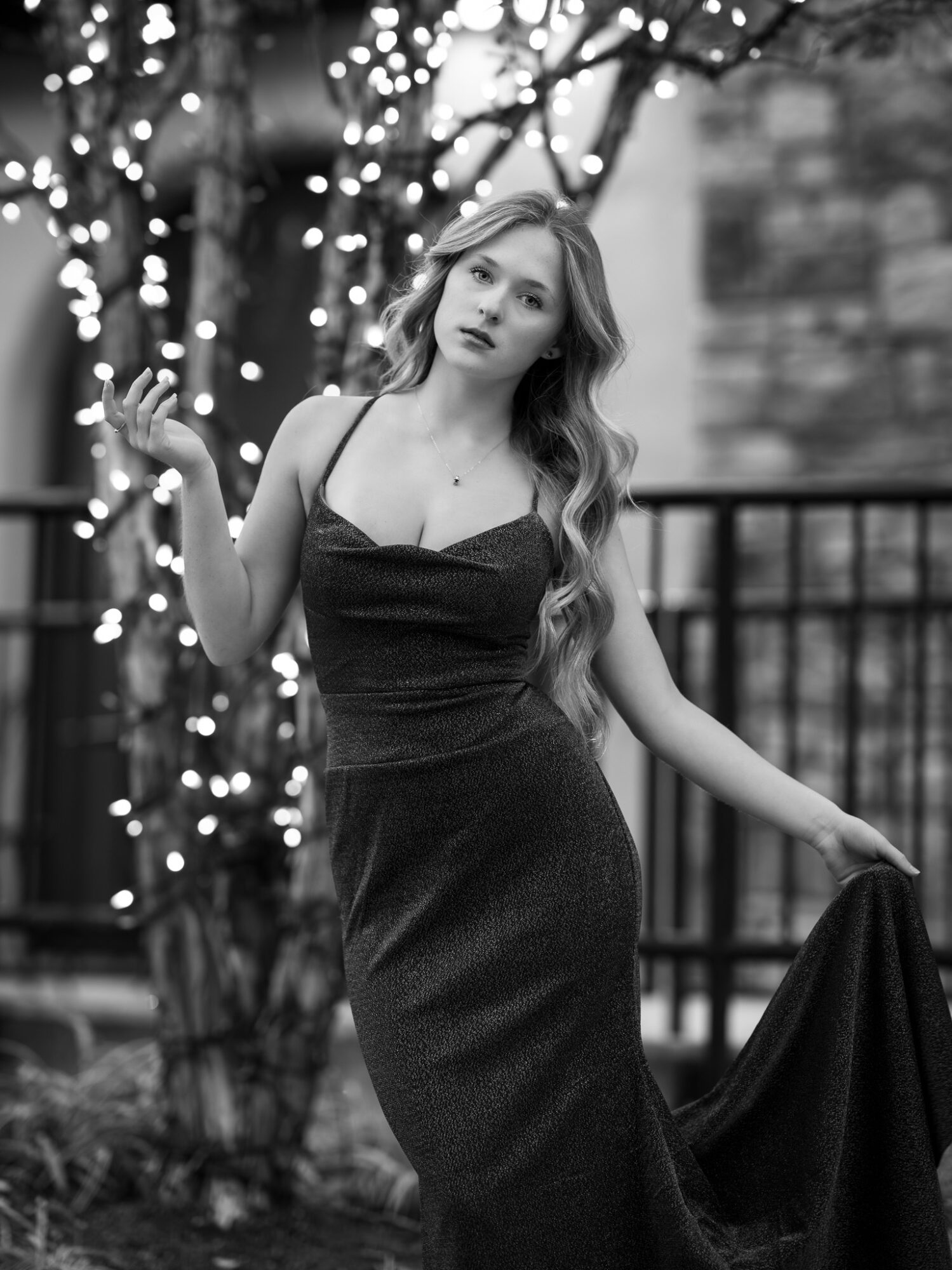
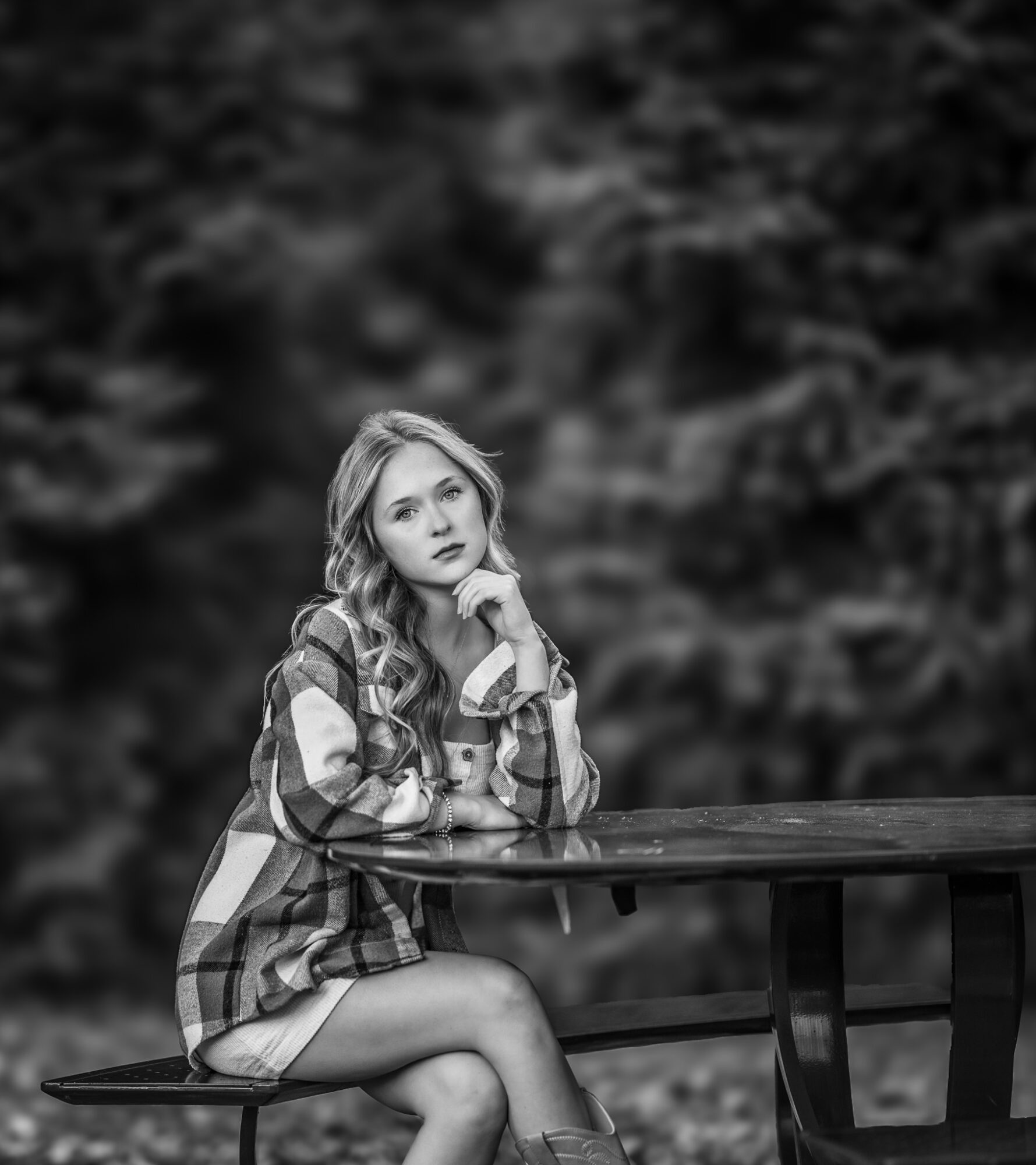
Portrait photography became a way for me to connect with people. I love capturing authenticity — the quiet confidence, the unspoken dreams, and the individuality that makes every person unique. Over time, my style evolved to focus on storytelling-driven portraits that feel natural, cinematic, and emotionally rich.
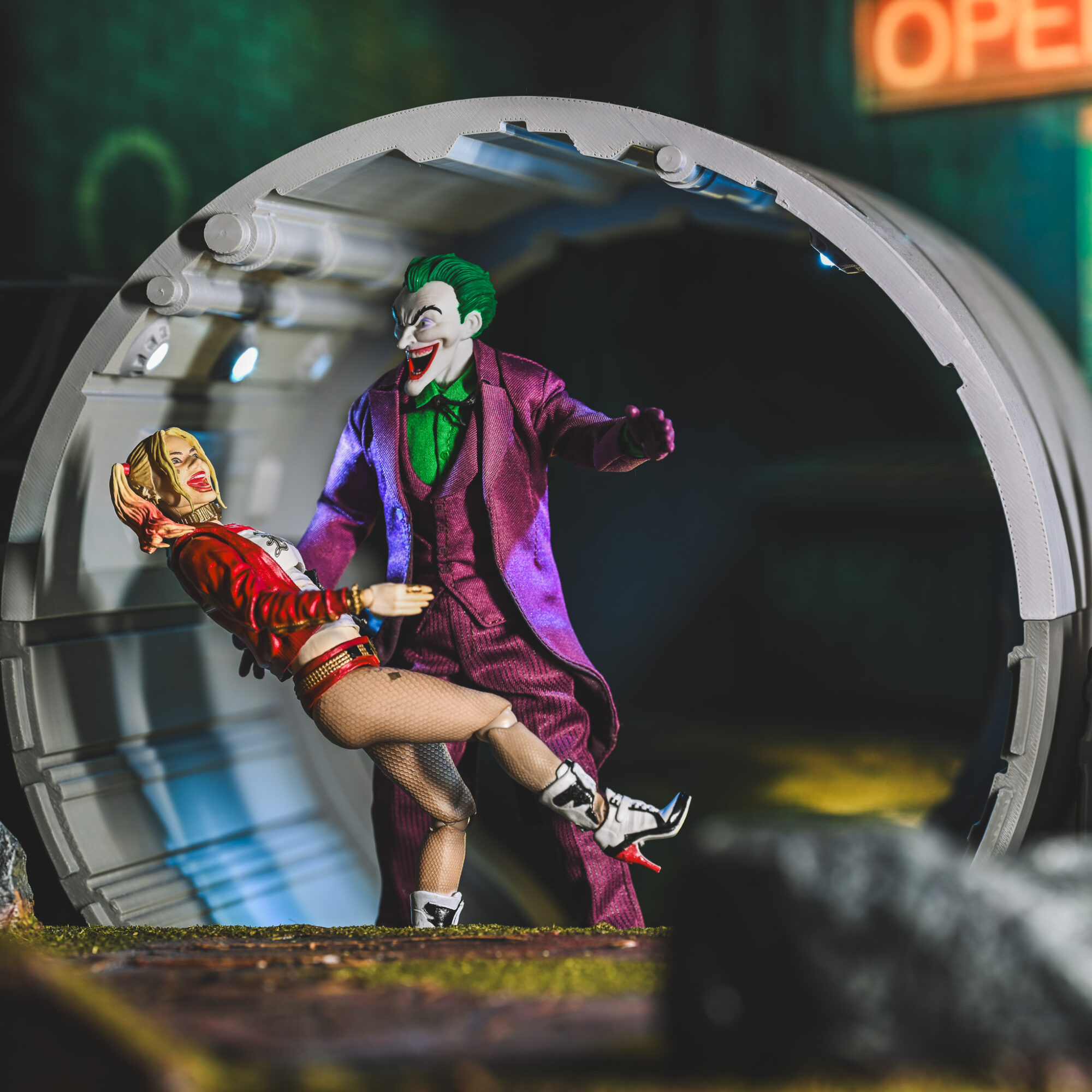
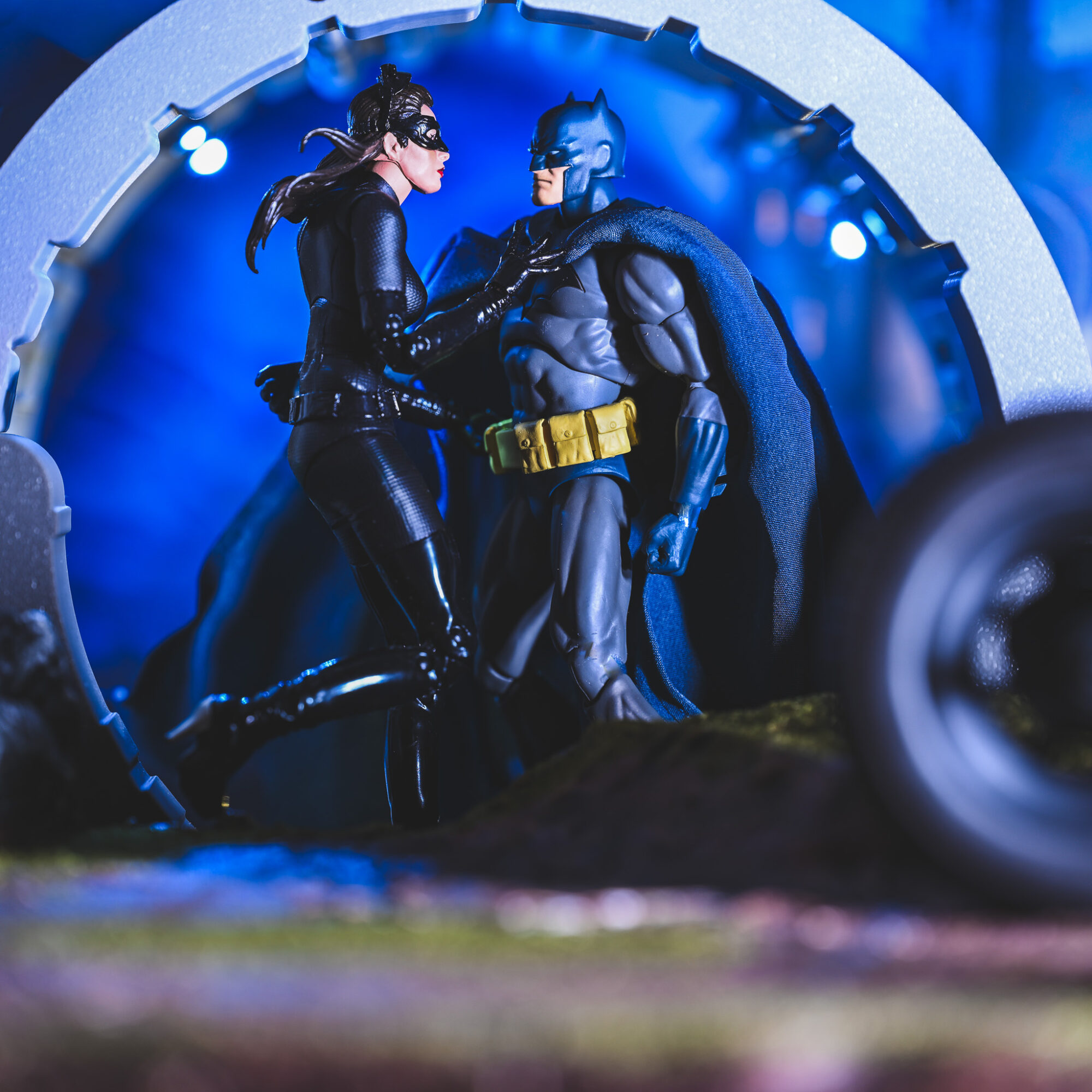
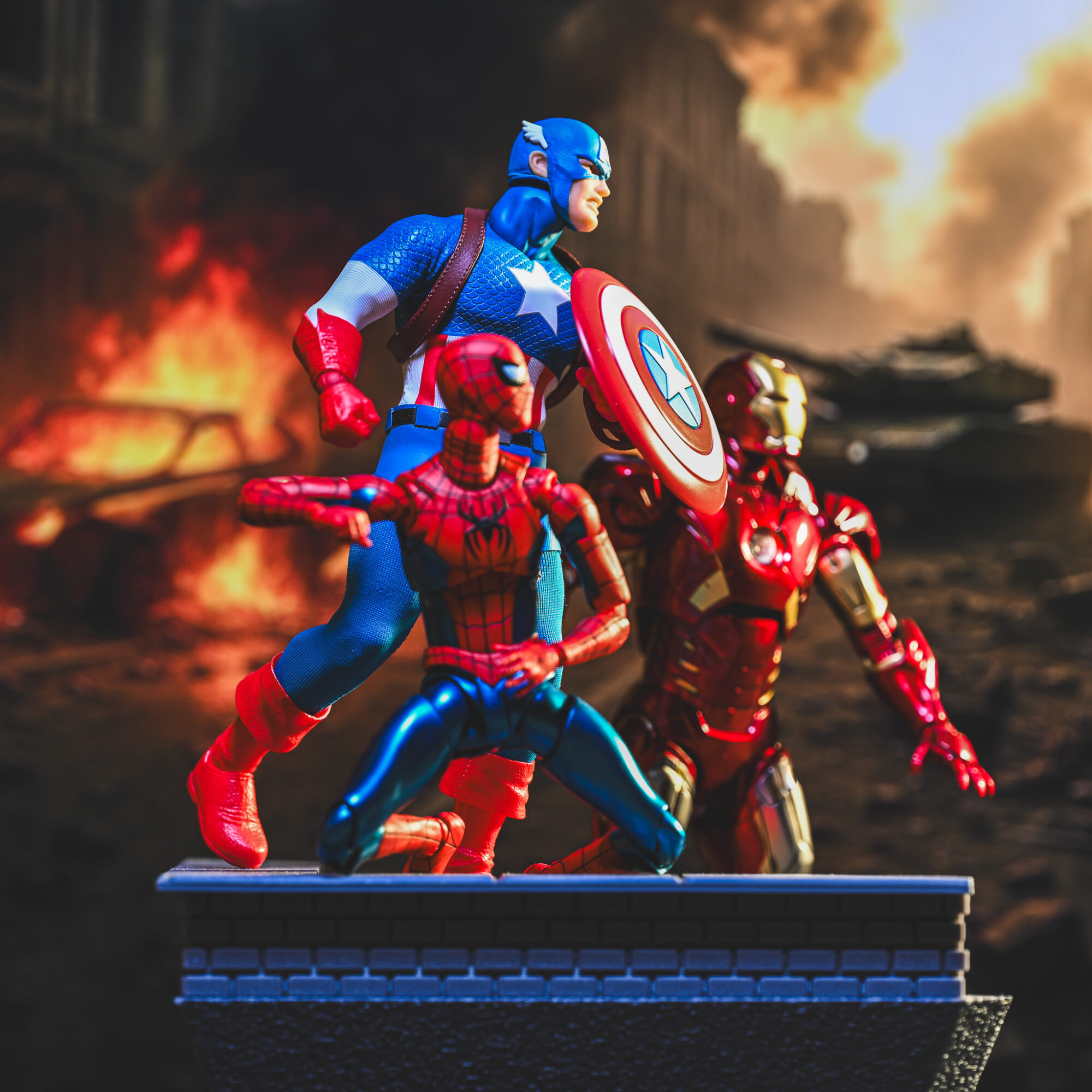
At the same time, my passion for toys sparked something entirely different — Toy Photography was born out of the idea that imagination has no age limit. Through toys, I recreate cinematic worlds, emotions, and narratives that feel larger than life. It allows me to blend creativity, scale, lighting techniques, and storytelling into miniature universes.
Can you talk to us a bit about the challenges and lessons you’ve learned along the way. Looking back would you say it’s been easy or smooth in retrospect?
Like many creative journeys, mine came with phases of self-doubt, slow growth, and a lot of trial and error. In the beginning, one of the biggest challenges was finding my unique voice. There are so many talented photographers out there, and it’s easy to compare yourself and question whether your work stands out. Learning to focus on my own storytelling style — especially in portraits and toy photography — took time and patience.
Another challenge was balancing creativity with consistency. As a portrait photographer, you’re working with real emotions, personalities, and expectations. As a toy photographer, you’re building entire miniature worlds from scratch — lighting, scale, details — everything needs intention. Both require different mindsets, and mastering them meant long hours of experimentation and refinement.
There were also practical struggles — building an online presence, gaining trust, investing in gear, and staying motivated during quieter periods. Growth doesn’t always happen overnight. Sometimes it’s invisible, happening behind the scenes.
But every challenge shaped my style, discipline, and resilience. Those obstacles pushed me to improve my craft, refine my vision, and stay committed to storytelling. Looking back, I’m grateful it wasn’t smooth — because that’s what made the journey meaningful.
Appreciate you sharing that. What else should we know about what you do?
I’m a portrait and toy photographer, and at the core of everything I create is storytelling.
In portrait photography, I specialize in capturing authentic emotion with a cinematic touch. I focus on expressions, light, mood, and subtle details that reveal personality rather than just appearance. My goal is to make people feel seen — to create images that are not just visually strong but emotionally resonant.
On the other hand, through my toy photography work, I build miniature cinematic worlds. What looks small in scale becomes epic in storytelling. I carefully craft lighting, composition, perspective, and atmosphere to give toys character and emotion — almost like they’re actors in a film scene. This genre allows me to blend imagination with technical precision.
What I’m most proud of is having built two distinct creative identities — one rooted in human connection and the other in boundless imagination — while maintaining a consistent storytelling style across both. I’m proud that my work reflects intention in every frame.
What sets me apart is how I approach photography not just as image-making, but as world-building. Whether it’s a person in front of my lens or a 6-inch action figure, I treat every subject with the same depth of narrative. I pay close attention to light as an emotional tool, to composition as a storyteller, and to detail as the soul of the frame.
As an artist, I don’t just capture what is in front of me — I try to create what it could feel like. And that perspective is what defines my work.
Can you talk to us about how you think about risk?
For me, risk isn’t always about dramatic leaps — sometimes it’s about choosing an unconventional path, investing in yourself before you feel fully “ready,” or putting your work out there knowing it may not be immediately understood.
One of the biggest risks I took was committing seriously to photography alongside other professional responsibilities. Investing in high-end gear, building my websites, and dedicating countless hours to refining my craft — without guaranteed returns — required both faith and discipline. Another creative risk was stepping into toy photography at a time when it’s still a niche genre. Instead of following a purely commercial route, I chose to explore storytelling in miniature worlds, which is less conventional but deeply aligned with my artistic voice.
I’ve also taken stylistic risks — experimenting with dramatic lighting, cinematic moods, and unconventional compositions rather than playing it safe. Not every experiment works, but every experiment teaches.
My perspective on risk is simple: growth only happens when comfort ends. Risk, when calculated and intentional, expands skill, resilience, and identity. I don’t see risk as reckless action; I see it as informed courage. You prepare, you learn, you plan — and then you take the step anyway.
As an artist, if you’re not willing to risk failure, criticism, or slow beginnings, you limit your potential. For me, risk is not something to avoid — it’s something to respect, prepare for, and then embrace.
Contact Info:
- Website: https://abhisheknigamphotography.com and https://toyversephotography.com
- Instagram: @abhilensandshot